As the cryptocurrency landscape matures in 2026, digital asset holders face increasingly sophisticated threats. With billions of dollars at stake, wallet security is no longer a basic concern - it's an imperative. Cybercriminals are continually refining their tactics, exploiting weak points in wallet infrastructure and user behavior. This article dives deep into advanced wallet security strategies for Bitcoin, Ethereum, and other crypto assets, helping you fortify your holdings beyond the basics.
Understanding Modern Wallet Threats
Traditional risks - like phishing or malware - are now compounded by targeted attacks, supply chain vulnerabilities, and social engineering schemes. Even hardware wallets, once considered nearly impregnable, are not immune. Attackers leverage side-channel attacks, firmware vulnerabilities, and even physical theft to compromise wallet security.
- Side-channel attacks: Malicious actors extract sensitive data from hardware wallets via electromagnetic, acoustic, or power analysis.
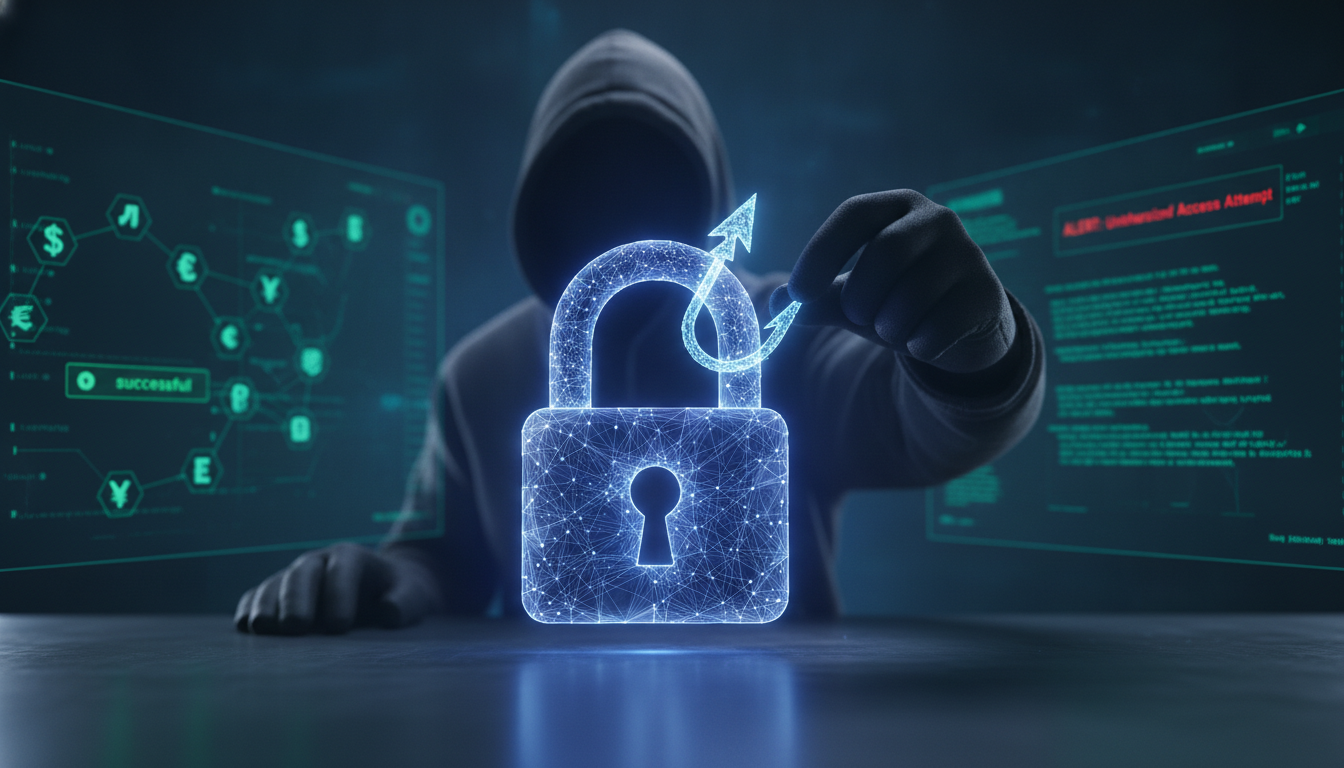
- Fake wallet apps: Counterfeit mobile wallets trick users into entering seed phrases, draining funds instantly.
- SIM swap attacks: Criminals hijack phone numbers to bypass two-factor authentication (2FA), gaining access to wallets or exchange accounts.
Multi-Layered Security: Beyond the Seed Phrase
While safeguarding your recovery phrase is crucial, advanced crypto users should employ multi-layered defenses:
- Multi-signature wallets: Require confirmations from multiple devices or users to approve transactions. This makes unauthorized transfers nearly impossible without collusion or multiple compromised accounts.
- Decentralized identity solutions: Use blockchain-based authentication to verify wallet owners without relying on vulnerable centralized databases or SMS 2FA.
- Air-gapped devices: Generate and store wallet keys on computers or hardware disconnected from the internet, reducing exposure to remote attacks.
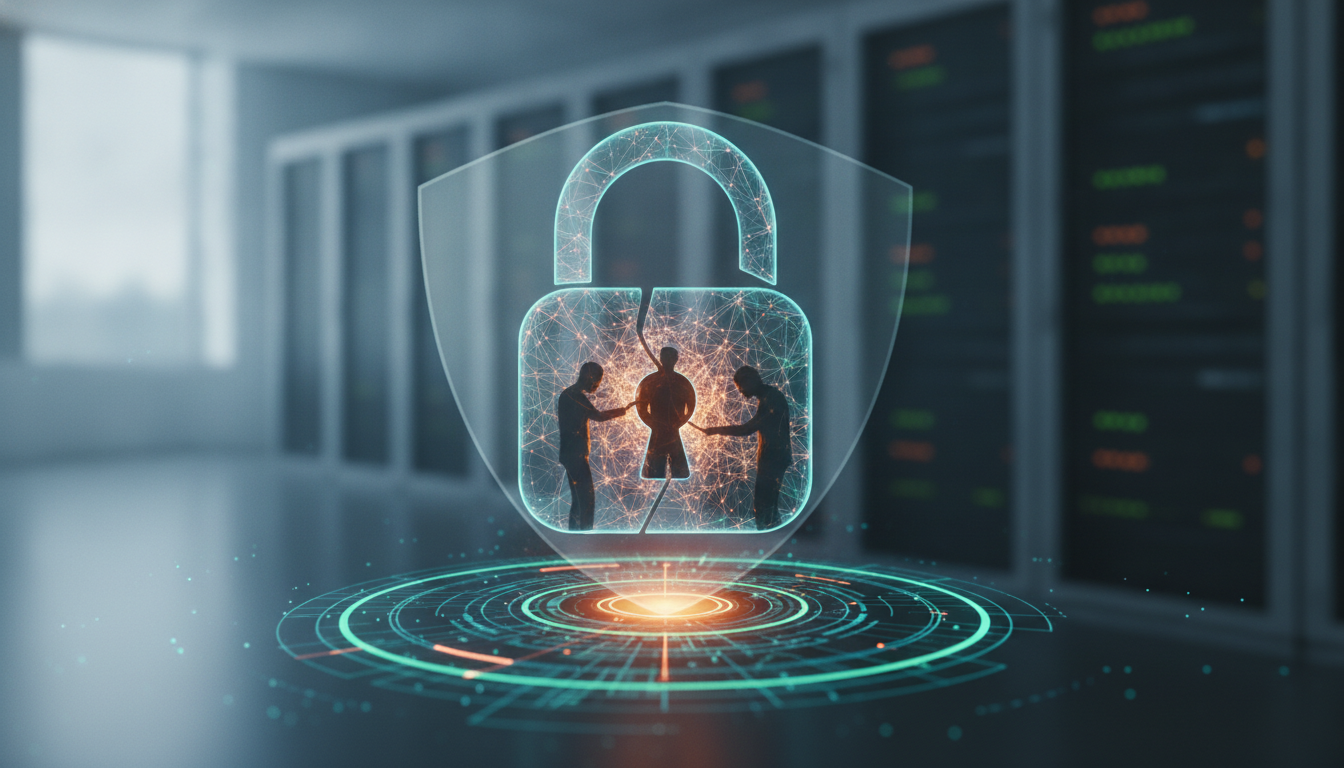
- Shamir's Secret Sharing: Split your seed phrase into several parts, distributing them across trusted locations or individuals. Only a combination of parts can restore the wallet.
Hardware Wallet Security: Staying Ahead of Attackers
Hardware wallets remain a gold standard for Bitcoin and Ethereum security, but users should be aware of evolving threats:
- Firmware updates: Regularly check for official firmware updates. Manufacturers patch vulnerabilities and add new features for enhanced protection.
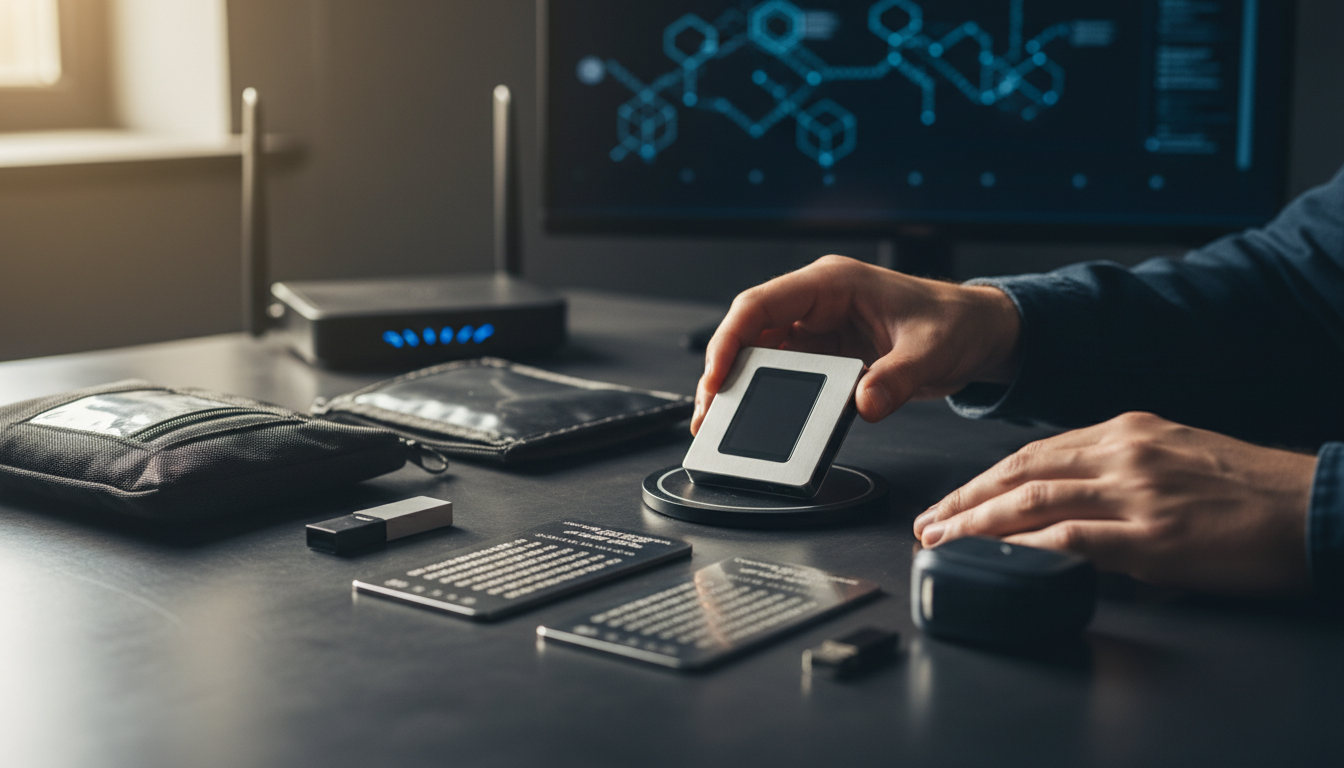
- Supply chain integrity: Purchase wallets directly from the manufacturer. Avoid third-party sellers, as devices may be tampered with or replaced with counterfeit versions.
- Physical security: Store hardware wallets in secure, undisclosed locations. Consider using a safe or deposit box to minimize risks from theft or loss.
Managing Wallets Across Multiple Blockchains
With the rise of multi-chain wallets, users interact with Bitcoin, Ethereum, and altcoins from a single interface. While convenient, this increases the attack surface. Here’s how to secure multi-chain wallets:
- Isolated device strategy: Dedicate devices to specific blockchains or wallets. If one device is compromised, other assets remain insulated.
- Review permissions: Regularly audit wallet connection permissions, especially with decentralized apps (dApps) and DeFi protocols. Revoke access to inactive or suspicious apps.
- Secure backup protocols: Back up keys and recovery phrases in encrypted, offline storage. Never store them digitally or in cloud services.
Spotting and Avoiding Emerging Crypto Scams
Scammers increasingly exploit wallet vulnerabilities through elaborate schemes:
- Fake customer support: Never share recovery phrases or private keys with anyone claiming to be wallet support. Legitimate companies will never ask for this information.
- Social engineering: Attackers impersonate friends or colleagues via messaging apps, urging you to send funds or share sensitive information.
- Deepfake phishing: Advanced AI-generated calls or videos may mimic trusted figures to lure you into compromising your wallet security.
Implementing Advanced Security Practices
In 2026, proactive measures are essential for safeguarding crypto assets:
- Hardware security modules (HSM): Advanced users and institutions employ HSMs for key management, isolating cryptographic operations from internet exposure.
- Biometric authentication: Use fingerprint or facial recognition as an additional layer, but don’t rely on biometrics alone.
- Continuous monitoring: Subscribe to blockchain security alerts and threat intelligence feeds. Early warnings can prevent catastrophic losses.
Conclusion: Future-Proofing Your Crypto Security
The digital asset ecosystem evolves rapidly, and so do the threats. By adopting advanced wallet security strategies - multi-signature setups, air-gapped devices, rigorous supply chain checks, and vigilant scam awareness - you can protect your Bitcoin, Ethereum, and altcoins against both present and emerging risks. Remember, the most secure wallet is only as safe as its user; continual education and proactive security are your best defenses in the era of decentralized finance.