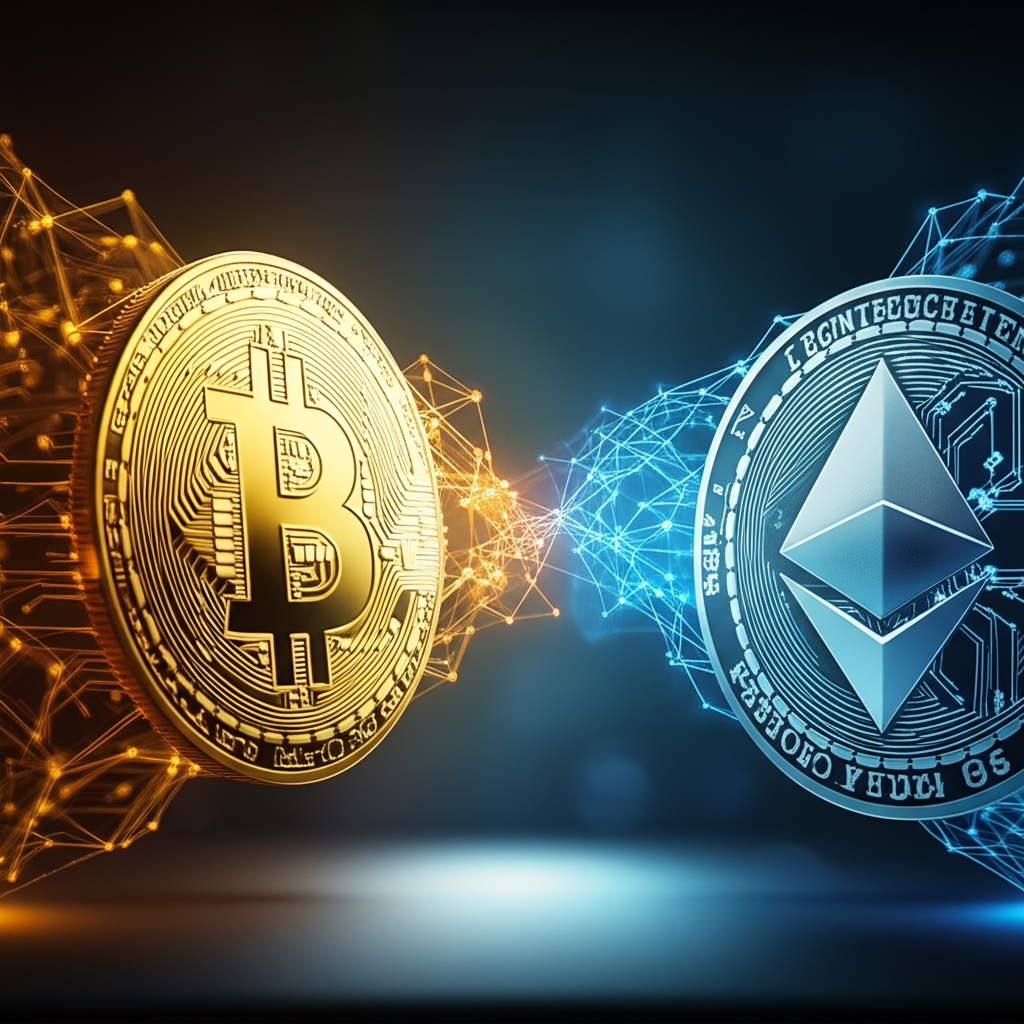
Cryptocurrency keeps changing, and February 2026 has been a notable month for Bitcoin and Ethereum in developing economies. As the global financial system transforms, these digital currencies are moving beyond speculation to become part of daily life in Southeast Asia, Africa, and Latin America. Here's what's driving this shift.
Why Bitcoin Keeps Growing in Developing Countries
Bitcoin, often called digital gold, has become popular in places where regular banks struggle. By February 21, 2026, data from crypto analytics firms shows Bitcoin transactions jumped 45% in countries like Nigeria and Vietnam compared to the previous year. The main reason: Bitcoin helps people protect savings when their local currency loses value.
Argentina illustrates this clearly. With hyperinflation destroying purchasing power, more people there use Bitcoin as a way to preserve wealth. Peer-to-peer platforms let them buy Bitcoin without going through banks. Smartphones make this easier—affordable phones now have apps that work smoothly with Bitcoin wallets. The result is more people participating in the financial system who were previously excluded.
- Transaction fees stay low, and money moves across borders faster than bank transfers.
- Several governments in these regions are testing Bitcoin-friendly rules to draw foreign investment.
- Local education programs teach Bitcoin basics to people who aren't tech experts.
El Salvador expanded its Bitcoin policies in early 2026, showing how some countries integrate it into their payment systems. This approach helps stabilize local economies and gives people more control over their money.
Ethereum's Growing Impact Beyond Currency
Bitcoin works well as money, but Ethereum dominates in smart contracts and decentralized apps. In February 2026, Ethereum's daily active users in developing markets increased 30%. Better scalability and energy efficiency made this possible—changes that matter to developers in India and Brazil where blockchain projects are expanding fast.
One concrete example: companies in Africa now use Ethereum to track products from farms to markets. This creates clear records that reduce fraud and help small farmers prove their products are authentic. The transparency matters because it builds trust in systems that historically lacked it.
- Ethereum's affordable transactions let entrepreneurs in underserved areas access microloans and crowdfunding.
- Staking pools let people earn passive income even with small amounts of Ethereum.
- Local tech companies partner with Ethereum developers to build easier-to-use wallet interfaces.
Ethereum's ability to work with other blockchains helps create connections that matter in developing markets. This matters because it builds a larger ecosystem where different cryptocurrencies can interact.
What's Happening in the Broader Crypto Market
The crypto market overall shifted in 2026, with developing economies contributing significantly. Total cryptocurrency market value exceeded $3 trillion, and regions outside North America and Europe drove much of this growth. Bitcoin and Ethereum lead the way, setting standards that other cryptocurrencies follow.
February 2026 brought some volatility due to global economic conditions, but developing markets held up better than many expected. New crypto ETFs designed for these regions drew institutional investors, which helped stabilize prices. This money flow supports not just Bitcoin and Ethereum but also other cryptocurrencies designed for specific local needs—like stablecoins for sending money home to family.
Problems remain. Regulations differ widely between countries, and security risks are real. Governments are working on clearer rules, which could unlock more growth if done well.
- Data shows a link between crypto adoption and economic growth in these regions.
- Altcoins find niches in things like identity verification systems.
- Mining operations increasingly use renewable energy, addressing environmental criticism.
What's Coming Next
The next few years will determine whether this growth continues. By February 2026, estimates suggest Bitcoin and Ethereum could process over $500 billion yearly in developing economies alone. That's significant, but the bigger picture matters more: these tools give people options they didn't have before.
What's needed now is better education about risks, stronger security, and honest practices from companies in this space. Bitcoin will likely stay valuable as a digital asset. Ethereum's blockchain technology keeps evolving. Together, they'll shape how people think about money and technology.
2026 Update
Bitcoin just reached a new all-time high above $120,000 in early March 2026, driven partly by increased adoption in emerging markets. This price surge has brought more mainstream attention to cryptocurrency in these regions, though it also raises concerns about speculative bubbles. Ethereum's upcoming protocol upgrades in Q2 2026 are expected to further reduce fees, making it even more accessible for users in developing economies.