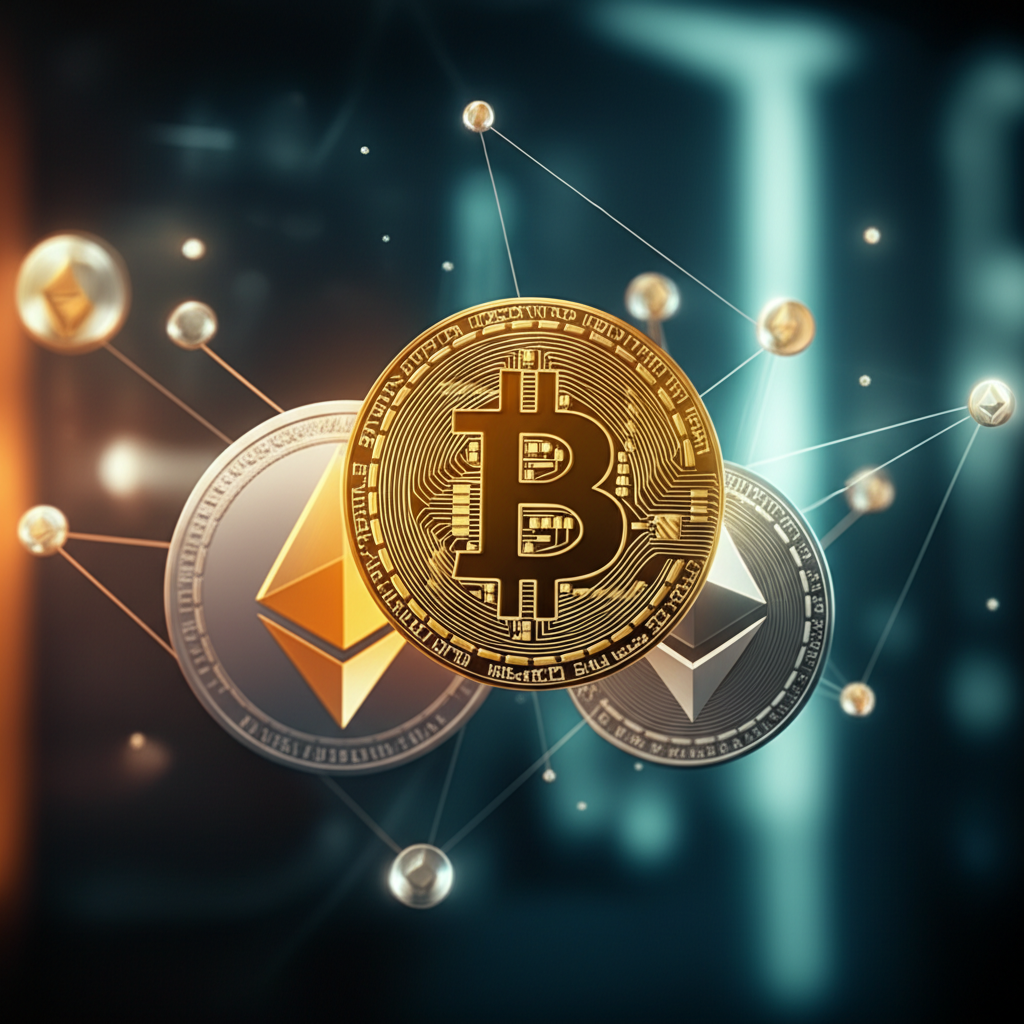
As we step into March 2026, the cryptocurrency market is once again making headlines with Bitcoin experiencing significant volatility. After months of relative stability, the flagship cryptocurrency has seen sharp price swings, leaving investors and analysts speculating about the forces at play. Alongside Bitcoin, Ethereum and other altcoins are also navigating a turbulent market landscape. In this article, we dive into the latest Bitcoin news, analyze the broader crypto market trends, and explore what’s next for blockchain technology in this dynamic environment.
Bitcoin’s Rollercoaster Ride: What’s Happening?
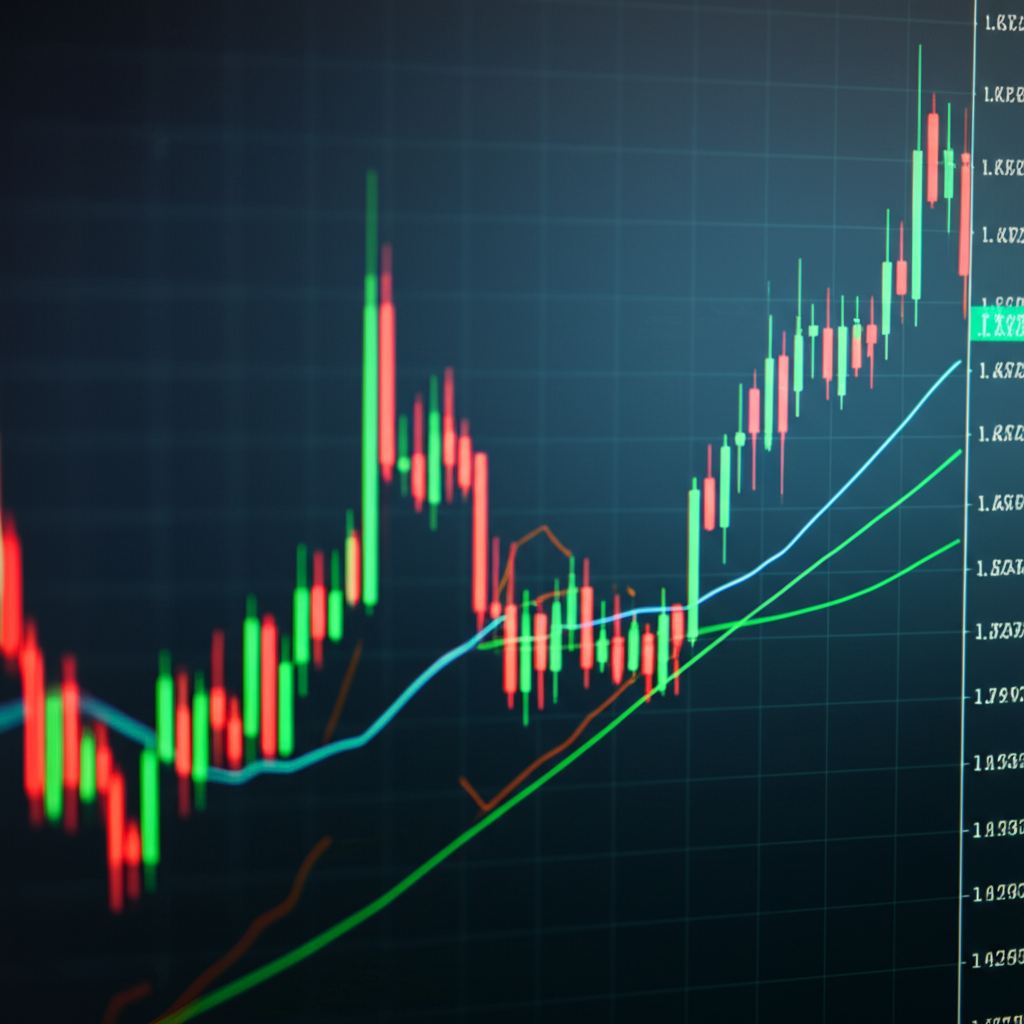
Bitcoin, often seen as the bellwether of the crypto market, has been on a wild ride in the first weeks of 2026. After hovering around a steady range for much of late 2025, BTC saw a sudden spike followed by a sharp correction within a matter of days. This volatility has sparked debates among traders about whether this signals the start of a new bull run or a potential bearish reversal.
One key factor contributing to Bitcoin’s price fluctuations is the renewed interest from institutional investors. Reports indicate that several major financial firms have increased their exposure to Bitcoin through spot ETFs and futures contracts. This influx of capital has driven short-term price surges, but it has also led to profit-taking, resulting in rapid sell-offs.
Additionally, macroeconomic conditions are playing a significant role. With global inflation concerns persisting into 2026, many investors view Bitcoin as a hedge against traditional financial instability. However, regulatory whispers from key markets like the U.S. and EU about stricter crypto oversight have introduced uncertainty, prompting some to reduce their positions.
Crypto Market Trends: Beyond Bitcoin
While Bitcoin often steals the spotlight, the broader crypto market is equally dynamic. Ethereum, the second-largest cryptocurrency by market cap, continues to hold strong despite facing its own set of challenges. The network’s ongoing efforts to improve scalability and reduce transaction costs through layer-2 solutions are keeping developers and investors engaged. However, competition from other smart contract platforms remains fierce, with altcoins like Solana and Cardano vying for dominance in the DeFi and NFT spaces.
The altcoin market, in general, has mirrored Bitcoin’s volatility but with even greater intensity. Many smaller tokens have experienced double-digit percentage changes within hours, driven by speculative trading and social media hype. This behavior underscores the high-risk, high-reward nature of crypto investments and serves as a reminder for newcomers to approach the market with caution.
Another trend shaping the crypto market in 2026 is the growing adoption of decentralized finance (DeFi). DeFi protocols, built primarily on Ethereum’s blockchain, are offering innovative financial products that bypass traditional intermediaries. From lending and borrowing to yield farming, DeFi continues to attract users seeking alternatives to conventional banking. However, security concerns and regulatory scrutiny remain hurdles for widespread adoption.
Ethereum’s Role in the Evolving Blockchain Ecosystem
Ethereum remains a cornerstone of blockchain innovation, even as it faces pressure to maintain its lead. The network’s transition to a fully proof-of-stake consensus mechanism in previous years has significantly reduced its energy consumption, earning praise from environmentally conscious investors. Yet, the focus in 2026 is on enhancing user experience through faster transactions and lower fees.
Layer-2 scaling solutions like Optimism and Arbitrum are gaining traction, processing thousands of transactions off-chain while still leveraging Ethereum’s security. This development is crucial for Ethereum to support the growing demand from DeFi applications and NFT marketplaces. Moreover, the rise of cross-chain interoperability protocols is enabling seamless communication between Ethereum and other blockchains, fostering a more connected crypto ecosystem.
That said, Ethereum’s dominance is not guaranteed. Rival blockchains are aggressively innovating, offering faster and cheaper alternatives. For Ethereum to stay ahead, its developer community must continue to prioritize scalability and accessibility, ensuring that the platform remains the go-to choice for decentralized applications.
What’s Driving Crypto Market Sentiment in 2026?
Sentiment in the crypto market is influenced by a mix of technological, economic, and social factors. Here are some of the key drivers shaping investor behavior in early 2026:
- Technological Advancements: Innovations in blockchain scalability and security are boosting confidence in the long-term potential of cryptocurrencies.
- Regulatory Developments: Uncertainty around global crypto regulations continues to create short-term panic, but clearer frameworks could pave the way for mainstream adoption.
- Institutional Involvement: The entry of traditional finance giants into the crypto space is a double-edged sword, driving prices up while introducing new volatility.
- Community Engagement: Social media platforms and online forums remain powerful forces in shaping market trends, often amplifying both hype and fear.
For investors, staying informed about these factors is critical. The crypto market’s inherent volatility means that opportunities and risks can emerge overnight. Diversifying portfolios, conducting thorough research, and avoiding emotional trading are essential strategies for navigating this unpredictable terrain.
Looking Ahead: What’s Next for Crypto and Blockchain?
As we look to the rest of 2026, several questions loom large over the crypto market. Will Bitcoin stabilize and resume its role as a store of value, or will volatility persist? Can Ethereum maintain its lead in the smart contract space amidst growing competition? And how will blockchain technology continue to evolve to meet the demands of an increasingly digital world?
One thing is certain: the cryptocurrency industry is far from static. Each day brings new developments, whether it’s a breakthrough in blockchain scalability, a surge in DeFi adoption, or a shift in regulatory attitudes. For enthusiasts and investors alike, staying ahead of the curve requires a commitment to learning and adaptability.
In conclusion, the crypto market in early 2026 is a fascinating blend of opportunity and uncertainty. Bitcoin’s volatility serves as a reminder of the market’s unpredictable nature, while Ethereum and other blockchain platforms continue to push the boundaries of what’s possible in decentralized technology. Whether you’re a seasoned trader or a curious newcomer, now is the time to pay attention—because the next big move in crypto could be just around the corner.