As we move deeper into 2026, Cardano (ADA) continues to carve out a significant space in the cryptocurrency landscape with its research-driven approach and focus on scalability, sustainability, and interoperability. With a strong emphasis on academic rigor and peer-reviewed development, Cardano is setting the stage for mass adoption in the ever-evolving crypto market. In this article, we dive into Cardano’s 2026 roadmap, explore the latest updates to its ecosystem, and analyze how ADA is positioning itself as a top contender among altcoins.
Cardano’s Vision for 2026: Building a Decentralized Future
Cardano, often dubbed the “academic blockchain,” was founded by Charles Hoskinson, a co-founder of Ethereum, with a mission to create a more secure and scalable blockchain platform. Unlike many projects that prioritize speed over substance, Cardano’s development is grounded in scientific research and formal verification, ensuring that every upgrade is thoroughly tested before implementation.
In 2026, Cardano’s roadmap focuses on three core pillars: enhancing scalability, expanding decentralized finance (DeFi) capabilities, and fostering global partnerships. These initiatives aim to bridge the gap between blockchain technology and real-world applications, making ADA a viable option for enterprises, developers, and individual users alike.
Scalability Upgrades: Hydra and Beyond
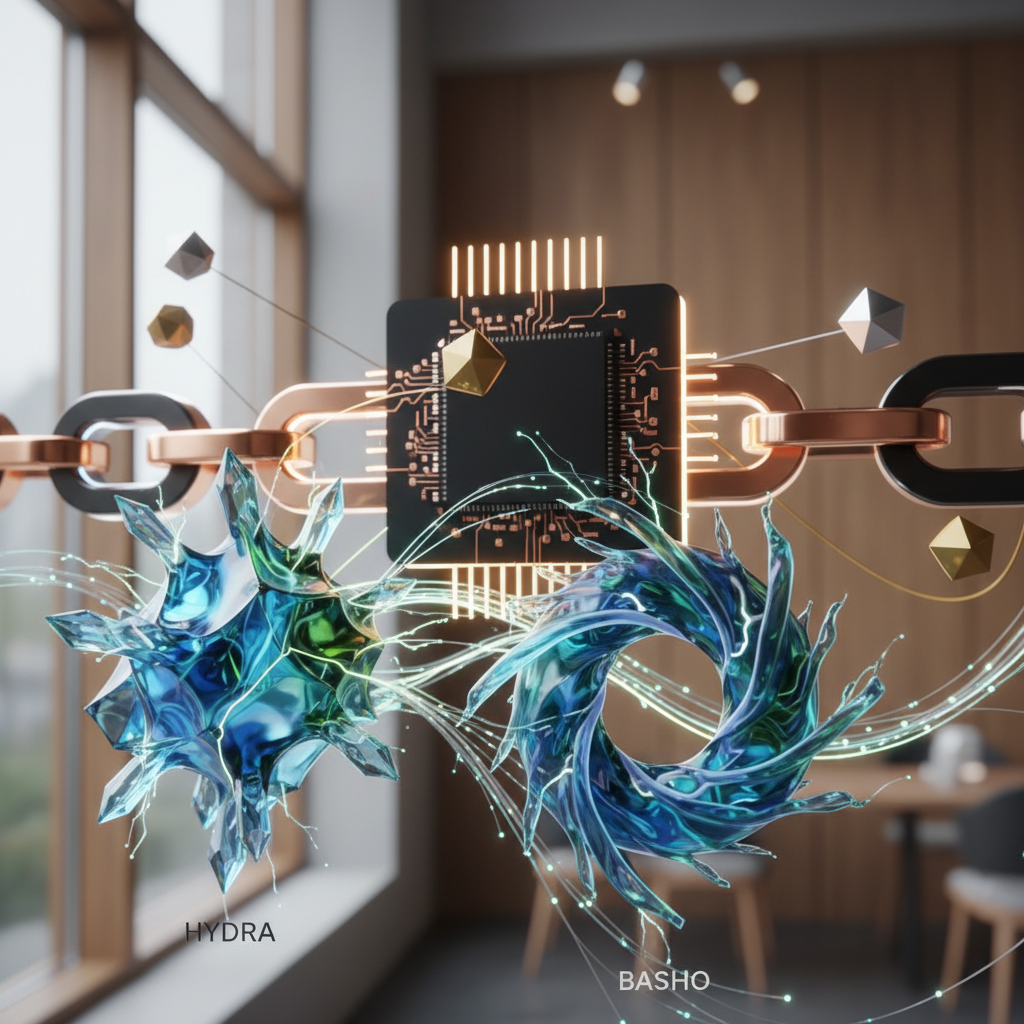
One of Cardano’s most anticipated developments in 2026 is the full implementation of Hydra, its Layer 2 scaling solution. Hydra is designed to process thousands of transactions per second (TPS) by creating off-chain “heads” that operate in parallel to the main chain. This approach not only boosts Cardano’s throughput but also maintains low transaction fees, making it an attractive platform for DeFi and NFT projects.
Recent reports from Input Output Global (IOG), the organization behind Cardano, suggest that Hydra’s rollout is on track for mid-2026. If successful, this upgrade could position Cardano as a direct competitor to high-speed blockchains like Solana while retaining its focus on security and decentralization. For crypto investors, this could signal a significant uptick in ADA’s market value as adoption grows.
DeFi Ecosystem Growth: Cardano’s Push for Financial Inclusion
DeFi has been a major driver of blockchain adoption, and Cardano is not sitting on the sidelines. In 2026, the platform is doubling down on its DeFi ecosystem with new decentralized applications (dApps) and protocols. Projects like SundaeSwap and Minswap have already gained traction as leading decentralized exchanges (DEXs) on Cardano, and this year, we’re seeing an influx of lending, borrowing, and yield farming platforms.
What sets Cardano’s DeFi ecosystem apart is its energy efficiency. Unlike Bitcoin’s energy-intensive proof-of-work (PoW) consensus, Cardano uses Ouroboros, a proof-of-stake (PoS) mechanism that consumes significantly less power. In an era where sustainability is a growing concern, this feature could attract environmentally conscious developers and users to Cardano’s DeFi space.
Moreover, Cardano’s focus on financial inclusion is evident in its partnerships with governments and NGOs, particularly in developing regions. By providing accessible financial tools through blockchain technology, Cardano aims to empower unbanked populations, further driving ADA adoption in 2026.
Interoperability and Global Partnerships
Interoperability remains a key challenge for blockchain networks, and Cardano is tackling this head-on in 2026. Through initiatives like the Basho era of its roadmap, Cardano is prioritizing sidechains and cross-chain compatibility to ensure seamless interaction with other blockchains. This move is crucial for fostering a connected Web3 ecosystem where users can transfer assets and data across platforms without friction.
On the partnership front, Cardano continues to collaborate with African governments to implement blockchain solutions for identity verification, education credentials, and supply chain management. These real-world use cases highlight Cardano’s potential beyond speculative trading, positioning ADA as a utility token with tangible value.
ADA Price Analysis: What’s Next for Investors?
As Cardano rolls out these ambitious updates, the crypto market is buzzing with speculation about ADA’s price trajectory. While past performance is no guarantee of future results, analysts are optimistic about ADA’s potential in 2026. The combination of Hydra’s scalability boost and growing DeFi adoption could drive demand for ADA, especially if broader market conditions remain favorable.
However, investors should remain cautious of volatility in the crypto space. Regulatory developments, macroeconomic factors, and competition from other altcoins could impact ADA’s price. For long-term holders, Cardano’s commitment to sustainable growth and real-world utility makes it a compelling addition to any crypto portfolio.
Challenges Ahead: Can Cardano Keep Up?
Despite its many strengths, Cardano faces challenges in 2026. Critics often point to its slower development pace compared to competitors like Solana or Polygon, arguing that Cardano’s methodical approach could cause it to miss out on rapid market trends. Additionally, while Cardano’s DeFi ecosystem is growing, it still lags behind established players in terms of total value locked (TVL) and user adoption.
To address these concerns, IOG has ramped up community engagement and developer incentives in 2026. Programs like Project Catalyst, a decentralized funding initiative, empower the Cardano community to propose and vote on projects, ensuring that the ecosystem evolves in line with user needs.
Why Cardano Matters in 2026
In a crowded crypto market, Cardano stands out for its commitment to long-term sustainability and academic integrity. As blockchain technology moves toward mainstream adoption, platforms like Cardano that prioritize security, scalability, and real-world utility are likely to lead the charge. With its 2026 roadmap focusing on Hydra, DeFi expansion, and global partnerships, Cardano is well-positioned to capture a significant share of the altcoin market.
For crypto enthusiasts and investors, keeping an eye on Cardano’s progress this year could yield valuable insights. Whether you’re staking ADA for passive income or exploring Cardano-based dApps, there’s no denying that this blockchain has the potential to shape the future of decentralized technology.
What are your thoughts on Cardano’s 2026 roadmap? Do you think ADA can achieve mass adoption, or will competitors overtake it? Let us know in the comments below, and stay tuned for more updates on the crypto market!