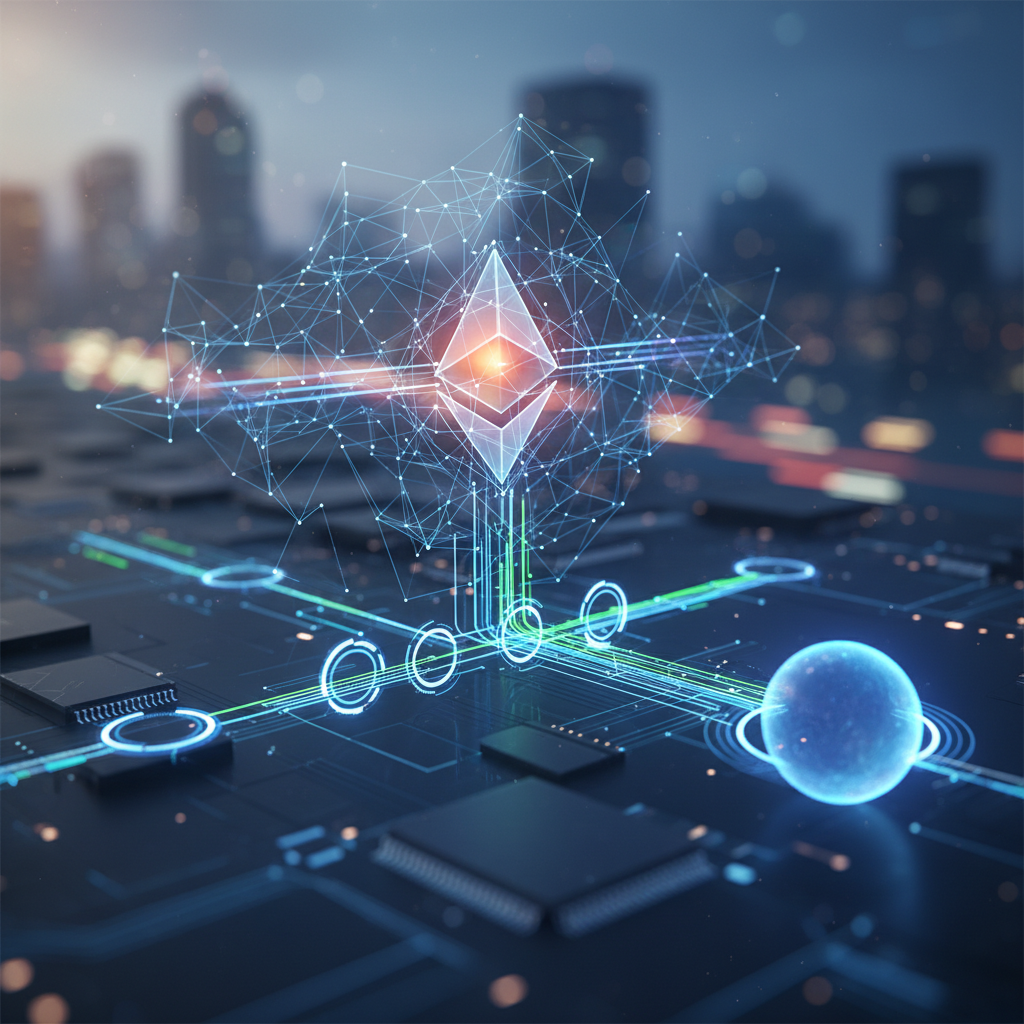
As the cryptocurrency landscape continues to evolve, Ethereum remains at the forefront of innovation, particularly in the realm of decentralized applications (dApps) and smart contracts. However, with its growing popularity, the network has faced persistent challenges related to scalability and high transaction fees, often referred to as 'gas fees.' In 2026, Ethereum’s Layer 2 solutions are stepping up as the critical answer to these issues, promising faster transactions and lower costs without compromising security. Let’s dive into how these scaling solutions are reshaping the Ethereum ecosystem and what they mean for users, developers, and the broader crypto market.
What Are Ethereum Layer 2 Solutions?
Layer 2 solutions are protocols built on top of the Ethereum blockchain (Layer 1) to enhance its scalability and efficiency. These solutions process transactions off-chain while still leveraging Ethereum’s robust security and decentralization. By offloading much of the transactional burden from the main chain, Layer 2 networks significantly reduce congestion, lower gas fees, and increase transaction throughput.
Some of the most prominent Layer 2 solutions in 2026 include Optimistic Rollups, Zero-Knowledge Rollups (ZK-Rollups), Arbitrum, and Polygon (which, while originally a sidechain, has aligned closely with Ethereum’s scaling goals). These technologies bundle or 'roll up' thousands of transactions into a single proof, which is then submitted to the Ethereum mainnet, drastically reducing the data load on Layer 1.
Why Layer 2 Matters for Ethereum’s Future
Ethereum’s transition to a more energy-efficient consensus mechanism in recent years was a major milestone, but scalability remains a hurdle for mass adoption. Without Layer 2 solutions, the network struggles to handle the sheer volume of transactions driven by DeFi platforms, NFT marketplaces, and other dApps. High gas fees have historically priced out smaller users and hindered the onboarding of new participants into the crypto space.
In 2026, Layer 2 solutions are proving to be a game-changer. For instance, platforms like Arbitrum and Optimism have reported transaction costs that are often less than 10% of what users would pay on Ethereum’s mainnet. This affordability is crucial for fostering inclusivity and enabling microtransactions, which are essential for the growth of decentralized finance (DeFi) and everyday use cases.
Key Layer 2 Projects Driving Ethereum’s Scalability
- Arbitrum: Known for its Optimistic Rollup technology, Arbitrum has become a go-to Layer 2 solution for DeFi projects and dApps. It offers near-instant transactions and minimal fees while maintaining compatibility with Ethereum’s developer tools.
- Optimism: Another Optimistic Rollup solution, Optimism focuses on simplicity and developer-friendliness. It has gained traction for hosting popular DeFi protocols and NFT platforms, further reducing costs for end users.
- zkSync Era: Utilizing ZK-Rollups, zkSync Era prioritizes privacy and efficiency. Its ability to process thousands of transactions per second with cryptographic proofs makes it a standout in the Layer 2 space.
- Polygon: While Polygon operates as a hybrid solution, its integration with Ethereum through initiatives like Polygon zkEVM underscores its commitment to scaling the network. It remains a favorite for projects seeking low-cost transactions.
These projects are not only enhancing Ethereum’s capabilities but also fostering competition and innovation within the ecosystem. As adoption grows, we’re seeing a virtuous cycle where more users and developers flock to Layer 2 networks, further driving improvements and cost reductions.
Impact on the Crypto Market and User Adoption
The rise of Layer 2 solutions is having a ripple effect across the cryptocurrency market. For one, lower transaction fees on Ethereum are making decentralized applications more accessible to a global audience. This is particularly impactful in regions where high fees previously made crypto participation prohibitive. As barriers to entry diminish, Ethereum’s user base is expanding, which in turn boosts the value proposition of ETH as a native asset.
Moreover, the success of Layer 2 solutions is reinforcing Ethereum’s dominance in the smart contract space, even as competitors like Solana and Binance Smart Chain vie for market share. Investors are taking note, with many viewing ETH and related Layer 2 tokens as promising long-term holdings. The increased activity on Layer 2 networks also contributes to Ethereum’s overall network effect, solidifying its position as the backbone of decentralized innovation.
Challenges and Future Outlook for Layer 2
Despite their transformative potential, Layer 2 solutions are not without challenges. Interoperability between different Layer 2 networks remains a work in progress, as users often face friction when moving assets across platforms. Additionally, while security is generally robust due to Ethereum’s underlying architecture, some solutions, particularly those using Optimistic Rollups, have longer withdrawal times due to fraud-proof mechanisms.
Looking ahead to the rest of 2026 and beyond, the focus will likely be on enhancing user experience and cross-chain compatibility. Developers are also exploring ways to integrate Layer 2 solutions more seamlessly with Ethereum’s mainnet, potentially through upcoming upgrades or new standards. As these technologies mature, we can expect even greater adoption of Ethereum-based applications, from gaming and NFTs to financial services and beyond.
Another exciting development is the potential for Layer 2 solutions to pave the way for Ethereum’s vision of 'sharding,' a long-term scaling strategy that would further divide the blockchain into manageable pieces. While sharding is still on the horizon, Layer 2 networks are providing a critical bridge, ensuring Ethereum remains competitive in the fast-paced world of blockchain technology.
Conclusion: A New Era for Ethereum
Ethereum’s Layer 2 solutions are ushering in a new era of scalability and affordability, addressing some of the most pressing pain points for users and developers alike. In 2026, these technologies are not just a stopgap but a foundational part of Ethereum’s growth strategy, enabling the network to handle millions of transactions without breaking the bank for users. As the crypto market continues to mature, Layer 2 innovations will play a pivotal role in determining whether Ethereum can achieve its ambitious goal of becoming the world’s leading decentralized computing platform.
For crypto enthusiasts, investors, and developers, staying informed about Layer 2 advancements is essential. Whether you’re building a dApp, trading NFTs, or simply holding ETH, the impact of these scaling solutions is undeniable. The future of Ethereum looks brighter than ever, and Layer 2 is the key to unlocking its full potential.