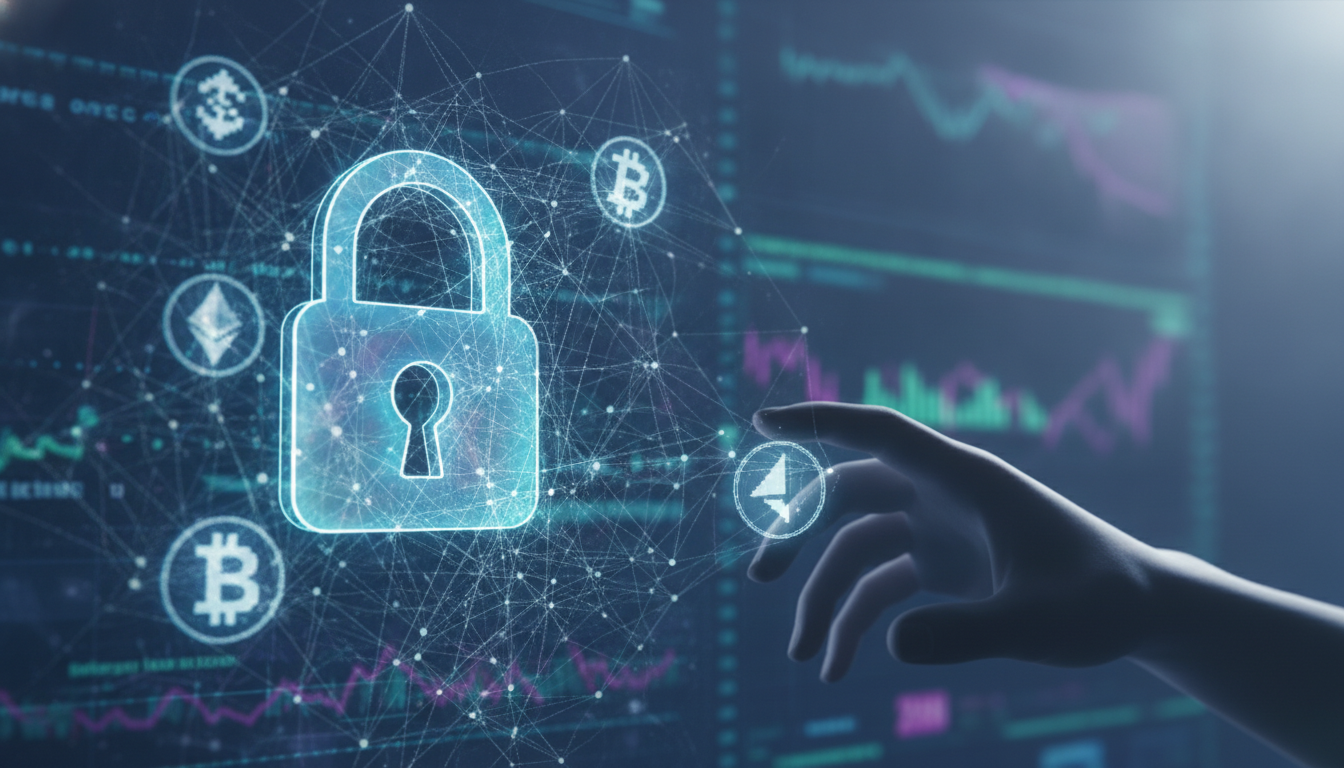
When navigating the volatile world of cryptocurrency investments, knowledge truly is power. While price charts and news headlines often draw attention, savvy investors increasingly rely on on-chain data - real-time information recorded directly on blockchains like Bitcoin and Ethereum - to gain deeper insights into market dynamics and spot emerging trends. In this guide, we'll explore what on-chain activity means, how to monitor it, and how you can use it to inform your crypto trading strategies.
What Is On-Chain Activity?
On-chain activity refers to all events and transactions taking place directly on a blockchain network. This includes transfers of coins or tokens, wallet movements, smart contract interactions, and mining data. Because blockchains are public ledgers, anyone can observe and analyze this activity, making it a transparent resource for tracking the flow of assets and user behavior.
- Transaction Volume: Measures the total value or count of cryptocurrency transfers over a period.
- Active Addresses: Counts unique wallets sending or receiving assets, reflecting user engagement.
- Whale Movements: Tracks large-scale transactions from major holders, often signaling potential market shifts.
- Smart Contract Usage: Indicates activity in DeFi, NFT, and other dApps on platforms like Ethereum.
Why Monitor On-Chain Data?
On-chain analytics deliver a level of transparency unmatched by traditional financial systems. By monitoring blockchain activity, you can:
- Identify accumulation or distribution phases in Bitcoin and Ethereum.
- Spot sudden inflows or outflows from exchanges, hinting at potential price volatility.
- Gauge sentiment by tracking new wallet creations or dormant coins becoming active.
- Detect DeFi protocol growth, NFTs trends, and altcoin adoption rates.
These insights can help you avoid risky trades, anticipate price moves, and distinguish genuine market trends from hype.
Tools for On-Chain Analysis
Several platforms offer comprehensive dashboards for monitoring on-chain activity. Here are some popular choices:
- Glassnode: Provides Bitcoin, Ethereum, and altcoin analytics, including exchange flows, wallet statistics, and more.
- CryptoQuant: Tracks miner and exchange activity, stablecoin flows, and whale transactions.
- Dune Analytics: A customizable platform focusing on Ethereum dApps, DeFi, and NFT activity.
- Etherscan: A block explorer for Ethereum, offering real-time transaction and contract tracking.
Most of these platforms offer free tiers, with advanced features available via subscription.
Key Metrics to Watch
Not all on-chain data is equally impactful. Here are some essential metrics to monitor:
- Exchange Net Flow: The difference between coins entering and leaving exchanges. High outflows often suggest holders are moving assets to personal wallets, a bullish signal.
- Whale Transactions: Large single transfers may signal institutional moves or planned market action.
- Active Address Count: Growth in active wallets often precedes price rallies, indicating rising interest.
- Token Holder Distribution: Tracks how concentrated or dispersed ownership is, relevant for altcoin and DeFi tokens.
- Smart Contract Interaction: Look for spikes in smart contract calls, perhaps reflecting DeFi, NFT, or layer-2 adoption.
How to Incorporate On-Chain Data into Your Strategy
Here’s a step-by-step process to use on-chain analytics effectively:
- Choose Your Target Assets: Decide which cryptocurrencies or protocols you want to track.
- Set Alerts: Use analytics platforms to trigger notifications for unusual activity, such as large withdrawals or whale movements.
- Analyze Trends: Compare current data with historical patterns to spot divergences or confirmations.
- Combine with Technical Analysis: On-chain metrics work best when paired with price chart analysis, creating a more complete market picture.
- Act Responsibly: Remember that on-chain data can suggest movements but doesn’t guarantee outcomes - always do your own research and manage risk carefully.
Common Pitfalls and Best Practices
While on-chain analytics can be powerful, they’re not foolproof. Here are some tips to avoid common mistakes:
- Avoid relying on a single metric; cross-reference multiple data points.
- Beware of false signals - some whales move assets for operational reasons, not speculation.
- Learn the nuances of each blockchain; for example, Ethereum’s activity often reflects DeFi or NFT trends, not just ETH price.
- Stay updated: Protocol updates or migrations can temporarily skew on-chain data.
Conclusion
Monitoring on-chain activity gives investors a unique, real-time window into the true health and direction of crypto markets. By harnessing these transparent metrics and using robust analytics tools, you can make smarter trading decisions and stay ahead of the curve. As both retail and institutional players grow more sophisticated, mastering on-chain analysis will be an essential skill for anyone serious about crypto investing.