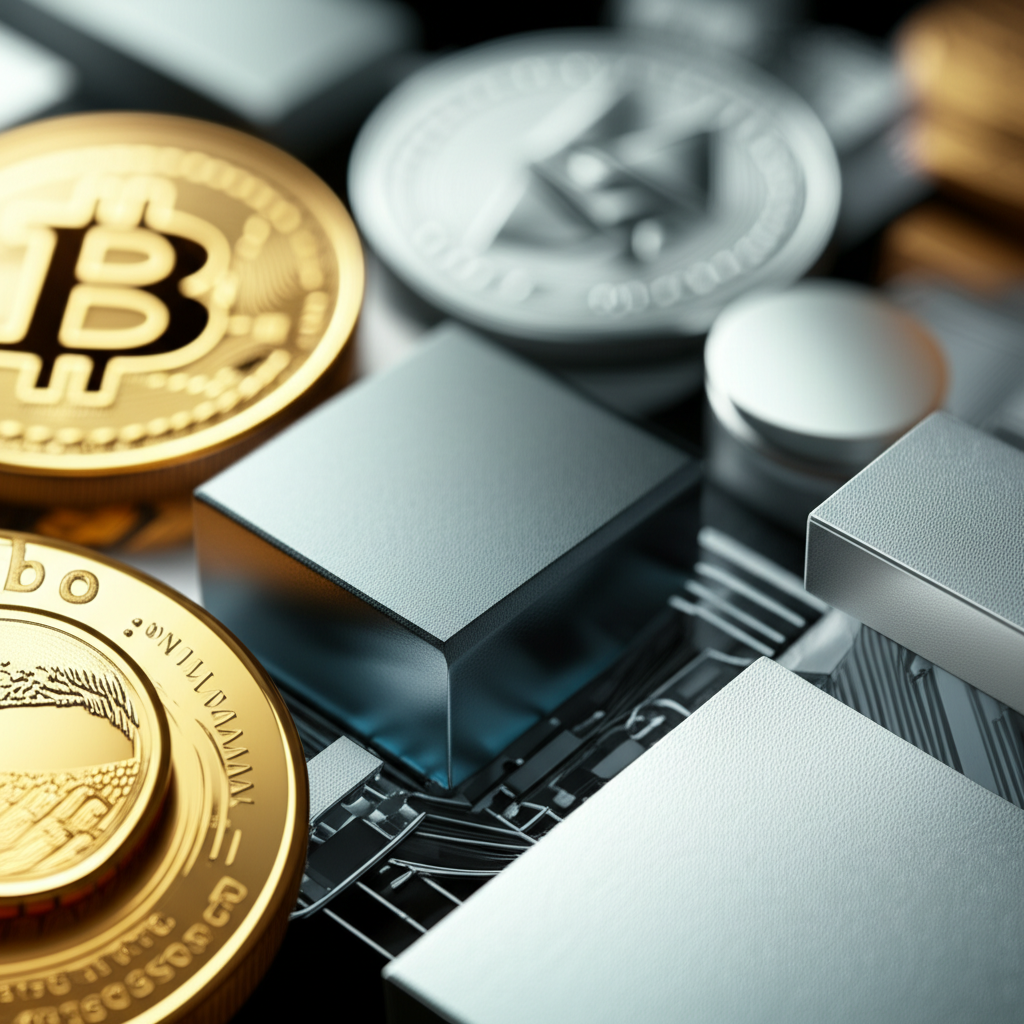
February 2026 has been a fascinating month for cryptocurrency, with investors and enthusiasts dealing with a market that keeps shifting in unexpected ways. Bitcoin has held strong around the $100,000 mark since mid-February, while Ethereum continues its technical upgrades. Both are worth watching closely as the year develops.
Bitcoin Holds Steady Through Early 2026
Bitcoin, often called digital gold, has shown real staying power despite global economic uncertainty in early 2026. As of February 15, the flagship cryptocurrency traded near $100,000, supported by growing interest from institutions and continued tech improvements. This stability is notable given the volatility that swept through markets in late 2025 when geopolitical tensions first emerged. Bitcoin's decentralized design has once again functioned as investors hoped—as protection against problems with traditional financial systems.
What's driving this resilience? More corporations and governments are adding Bitcoin to their reserves. Countries in Asia and Latin America have been particularly active, using Bitcoin as a safeguard against inflation and currency problems. On-chain data shows network activity at record levels, with transaction volumes climbing sharply. This increased activity isn't just speculative—it reflects real people using Bitcoin for payments and transfers, especially in regions where traditional banking is expensive or hard to access.
The network itself keeps improving. Layer-2 solutions have made Bitcoin faster and cheaper to use, addressing complaints that have lingered for years. Looking ahead, regulatory clarity in major economies could push adoption even higher.
Ethereum's Technical Improvements Continue
Ethereum has been busy with its own upgrades in early 2026, building on changes made in previous years. The network that powers most decentralized apps and smart contracts has rolled out refinements aimed at fixing long-standing problems: high transaction costs and slow processing times during busy periods.
The big change is sharding—a technical improvement that lets Ethereum handle more transactions simultaneously while keeping costs lower. This matters especially for DeFi applications, where users need fast, affordable interactions for lending, borrowing, and trading. Ethereum's total value locked in DeFi protocols has climbed past previous records in February 2026, showing strong user confidence. Developers are also excited about better connections between Ethereum and other blockchains, making it easier to move assets across different networks.
There's also been progress on sustainability. Ethereum's shift to proof-of-stake already cut its energy use dramatically, and new upgrades are pushing further in the same direction. Some projects are now partnering with environmental groups, a shift that would have seemed unlikely a few years ago.
What's Else Going On in Crypto This Month
Looking beyond Bitcoin and Ethereum, several other trends are shaping the market.
- More institutions are jumping in: Hedge funds, pension plans, and other big players are adding crypto to their portfolios. This isn't just Bitcoin—they're exploring altcoins and tokenized assets too. The result has been more stable trading and less wild price swings.
- Altcoins are getting attention: Solana and Cardano have gained ground by offering faster transactions and different technical features. Investors looking beyond the two biggest cryptos are finding options that suit different needs.
- Regulations are taking shape: The EU and US have finalized new rules that aim to protect people while still allowing innovation. These frameworks are making it easier for regular investors to participate with more confidence.
- DeFi and NFTs keep changing: Decentralized finance tools are becoming more sophisticated, with automated systems for trading and earning interest. NFTs have moved beyond digital art into areas like virtual real estate and identity verification.
These developments connect to each other. When Bitcoin holds steady, investors feel more comfortable putting money into other cryptocurrencies. Analysts are watching trading volumes and market sentiment closely to gauge where things might be heading next.
Blockchain Technology Keeps Expanding
The foundation of all this is blockchain technology, which increasingly reaches beyond finance. In 2026, blockchains are being used in healthcare for secure data sharing, in education for credential verification, and in supply chains for tracking products. For the crypto market specifically, this means better infrastructure overall.
One interesting development is zero-knowledge proofs—a technical advancement that lets transactions be verified without revealing all the details. This improves privacy while maintaining security, and it's becoming more common on Ethereum. These kinds of improvements are helping blockchain appeal to users who might have been skeptical before.
2026 Update
Since this article was first published, Bitcoin has broken past the $105,000 mark in late February 2026, driven by a major pension fund announcement that included crypto in its diversified holdings. Ethereum's sharding upgrades have performed better than expected, with some developers reporting 40% faster transaction times than anticipated.
February 2026 shows a crypto market that's growing up. Bitcoin's durability, Ethereum's technical progress, and the wider range of options available all point to an industry that's becoming more practical and more integrated with everyday finance. For anyone following this space, staying informed and understanding the risks will be key as things continue to evolve.