Introduction to Solana’s Rising Star in 2026
As the cryptocurrency landscape continues to evolve, Solana (SOL) has emerged as a powerhouse in the blockchain space by 2026. Known for its high-speed transactions and low fees, Solana has carved out a significant niche, particularly in the realm of Web3 gaming. This article dives into why Solana is becoming a central hub for blockchain-based gaming and what this means for developers, gamers, and investors in the crypto market.
What Makes Solana Ideal for Web3 Gaming?
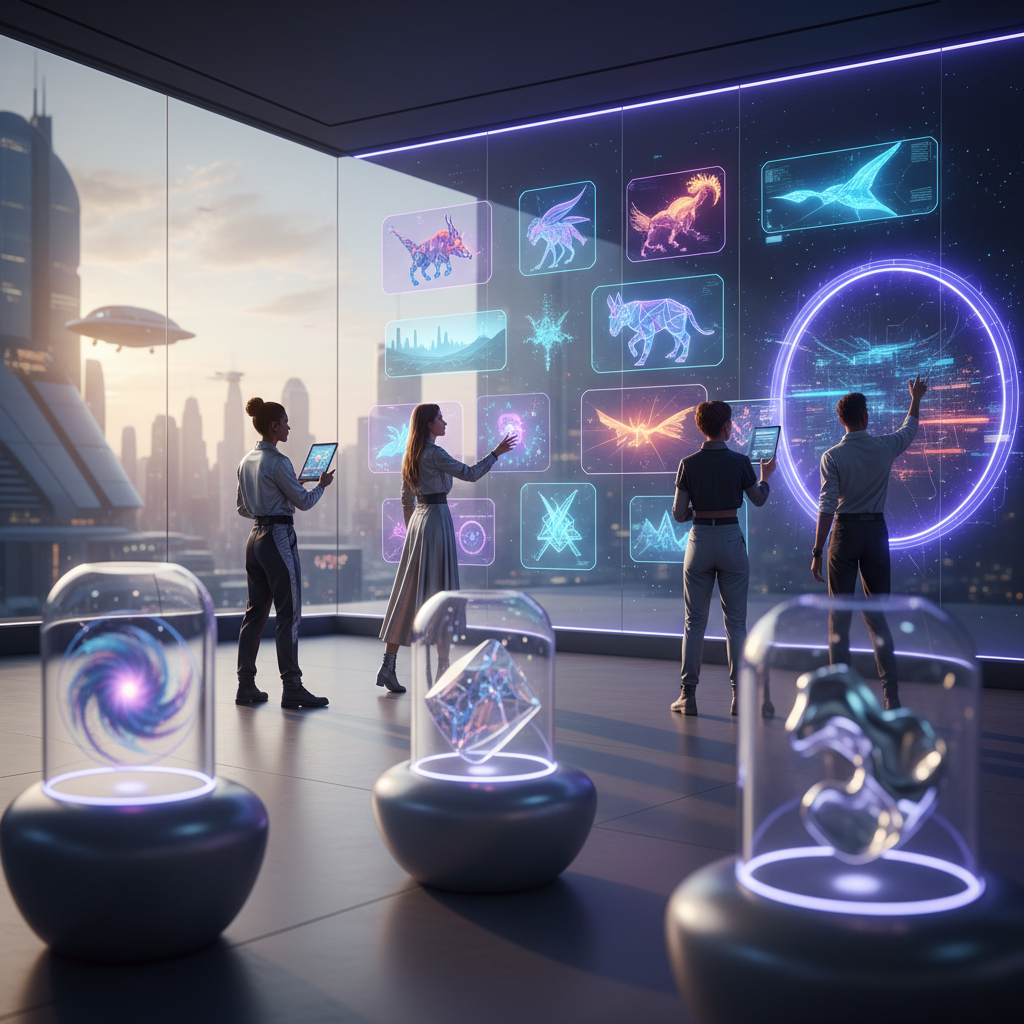
Web3 gaming, which integrates blockchain technology to enable decentralized ownership of in-game assets through NFTs and player-driven economies, requires a blockchain that can handle high throughput without breaking the bank on transaction costs. Solana’s unique consensus mechanism, Proof of History (PoH), combined with Proof of Stake (PoS), allows it to process thousands of transactions per second at a fraction of the cost of many competitors.
This scalability is a game-changer—literally. Gamers and developers no longer have to worry about sluggish transactions or exorbitant fees when minting NFTs, trading in-game items, or interacting with decentralized applications (dApps). In 2026, Solana’s infrastructure has matured further, with optimizations and developer tools making it even more accessible for building complex gaming ecosystems.
Key Web3 Gaming Projects Thriving on Solana in 2026
Solana’s ecosystem is buzzing with innovative Web3 gaming projects that are drawing attention from both the crypto and gaming communities. Here are some standout examples:
- StarAtlas: A space-themed metaverse game, StarAtlas continues to push boundaries with its stunning graphics and intricate player-owned economies. Built on Solana, it leverages the blockchain’s speed to enable seamless interstellar trading and battles.
- Aurory: This Pokémon-inspired RPG has gained a massive following by 2026, with its play-to-earn model rewarding players with tokens and NFTs. Solana’s low latency ensures smooth gameplay, even during high-traffic events.
- Step Finance: While primarily a DeFi platform, Step Finance has integrated gaming elements, offering yield farming and staking tied to Web3 gaming projects on Solana. This crossover highlights the blockchain’s versatility.
These projects demonstrate how Solana’s ecosystem supports diverse gaming experiences, from RPGs to metaverse explorations, all while maintaining efficiency and affordability.
Developer Adoption: Solana’s Tools and Community Support
One of the key reasons Solana is becoming a go-to platform for Web3 gaming in 2026 is its robust support for developers. The Solana Foundation has rolled out numerous grants, hackathons, and educational resources to onboard game developers into the blockchain space. Tools like the Solana Game SDK and integrations with popular game engines such as Unreal Engine and Unity have lowered the barrier to entry.
Moreover, Solana’s vibrant community plays a crucial role. Forums, Discord channels, and GitHub repositories are filled with tutorials and collaborative projects, making it easier for developers to troubleshoot and innovate. This developer-friendly environment has led to an explosion of new games and dApps, further solidifying Solana’s position in the Web3 gaming market.
Challenges Facing Solana’s Web3 Gaming Dominance
While Solana’s growth in Web3 gaming is impressive, it’s not without challenges. Network outages, though less frequent by 2026, remain a concern for developers and users who require uninterrupted access for real-time gaming experiences. The Solana team has been working tirelessly to address these issues with infrastructure upgrades, but maintaining stability at scale is an ongoing battle.
Additionally, competition from other blockchains cannot be ignored. While Solana offers unmatched speed and cost, other platforms are innovating in their own right, focusing on interoperability and cross-chain gaming ecosystems. Solana will need to continue enhancing its features—perhaps through partnerships or new tech integrations—to stay ahead.
The Economic Impact: SOL’s Value and Investor Interest
The rise of Web3 gaming on Solana has had a noticeable impact on the value of SOL, the native cryptocurrency of the network. As more gaming projects launch and attract users, the demand for SOL to pay for transactions, NFTs, and in-game purchases has surged. By 2026, analysts note that SOL’s price has seen significant gains tied to the growth of its gaming sector, making it a hot pick for crypto investors looking at altcoin opportunities.
Furthermore, venture capital firms are pouring funds into Solana-based gaming startups, recognizing the potential for massive returns as Web3 gaming gains mainstream traction. This influx of investment not only boosts the ecosystem but also signals confidence in Solana’s long-term viability as a blockchain for entertainment and beyond.
What’s Next for Solana and Web3 Gaming?
Looking ahead, Solana is poised to solidify its status as a leader in Web3 gaming. Upcoming upgrades in 2026 are expected to further enhance network reliability and introduce features tailored specifically for gaming dApps, such as improved random number generation for fair gameplay mechanics. Partnerships with major gaming studios could also bring more traditional gamers into the blockchain fold, expanding Solana’s reach.
For crypto enthusiasts and investors, Solana’s focus on Web3 gaming represents a unique intersection of technology and entertainment. Whether you’re a gamer minting your first NFT or a trader eyeing SOL’s next rally, Solana’s ecosystem offers something for everyone in the crypto space.
Conclusion: Solana’s Bright Future in the Crypto Gaming Arena
In 2026, Solana has firmly established itself as a cornerstone of Web3 gaming, thanks to its lightning-fast transactions, low costs, and developer-friendly environment. While challenges like network stability and competition persist, the blockchain’s trajectory points toward continued growth and innovation. As more players and creators flock to Solana’s ecosystem, it’s clear that SOL is not just a cryptocurrency—it’s a gateway to the future of decentralized gaming.