Introduction: Cardano’s Continued Evolution in the Crypto Space
In the ever-evolving world of blockchain technology, Cardano (ADA) remains a standout project with its focus on sustainability, scalability, and academic rigor. As we move through 2026, Cardano is rolling out an ambitious roadmap that aims to solidify its position as a leading blockchain platform. With a strong emphasis on eco-friendly solutions and innovative upgrades, Cardano is capturing the attention of developers, investors, and crypto enthusiasts alike. In this article, we’ll dive into the latest updates from Cardano’s 2026 roadmap, explore how ADA is addressing key challenges in the crypto market, and assess its potential to lead the industry in sustainable blockchain solutions.
What’s New in Cardano’s 2026 Roadmap?
Cardano’s development team at Input Output Hong Kong (IOHK) has always taken a methodical approach to blockchain innovation, prioritizing peer-reviewed research and long-term scalability. The 2026 roadmap builds on the successes of previous eras like Shelley (decentralization) and Goguen (smart contracts), introducing new milestones that focus on governance, interoperability, and energy efficiency. One of the most anticipated updates is the full implementation of the Voltaire era, which aims to make Cardano a fully self-sustaining ecosystem with decentralized governance at its core.
Additionally, Cardano is doubling down on its commitment to sustainability. While many blockchain networks struggle with high energy consumption, Cardano’s proof-of-stake (PoS) consensus mechanism, Ouroboros, already positions it as one of the most eco-friendly blockchains. In 2026, IOHK plans to introduce further optimizations to reduce energy usage even more, making ADA a top choice for environmentally conscious projects and investors.
Key Features Driving Cardano’s Growth in 2026
- Enhanced Decentralized Governance: The Voltaire era will enable ADA holders to propose and vote on network upgrades, ensuring that Cardano evolves in line with community needs. This democratic approach could set a new standard for blockchain governance.
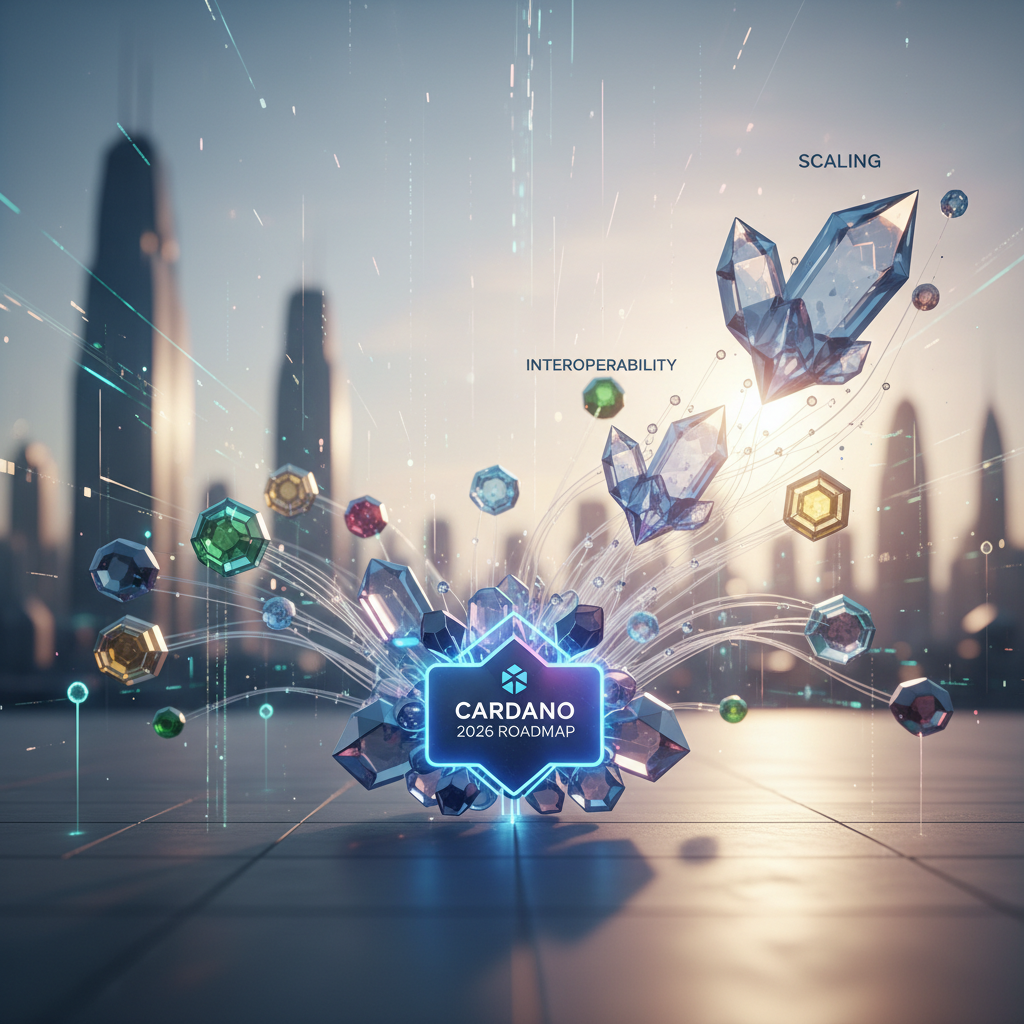
- Interoperability Push: Cardano is working on cross-chain compatibility to connect with other major blockchains. This will allow seamless asset transfers and data sharing, positioning ADA as a key player in the multi-chain future of Web3.
- Scalability Improvements: With Hydra, Cardano’s Layer 2 scaling solution, the network aims to process thousands of transactions per second without compromising security or decentralization—a critical step for mass adoption.
- Sustainability Initiatives: New partnerships with environmental organizations and carbon offset programs are in the works, reinforcing Cardano’s green credentials in the crypto space.
Cardano’s Role in the Growing DeFi and NFT Markets
While Cardano has historically lagged behind competitors like Ethereum and Solana in decentralized finance (DeFi) and non-fungible token (NFT) adoption, 2026 is shaping up to be a turning point. The platform’s low transaction costs and energy-efficient design are attracting developers to build DeFi protocols and NFT marketplaces on Cardano. Projects like SundaeSwap and Meld are gaining traction, offering yield farming, lending, and staking opportunities for ADA holders.
Moreover, Cardano’s focus on security and formal verification—ensuring that smart contracts are bug-free before deployment—gives it an edge in a market where hacks and exploits remain a major concern. As more users flock to Cardano for secure DeFi and NFT solutions, we could see ADA’s market cap and adoption rate soar in the coming months.
Challenges Ahead for Cardano in 2026
Despite its promising roadmap, Cardano faces several challenges in maintaining its competitive edge. One criticism often leveled at the project is its slower development pace compared to rivals. While this deliberate approach ensures quality and security, it can frustrate investors looking for rapid innovation. Additionally, Cardano must contend with fierce competition from other Layer 1 blockchains like Solana, Avalanche, and Polkadot, all of which are vying for dominance in the DeFi and Web3 spaces.
Another hurdle is user adoption. While Cardano boasts a loyal community, its ecosystem still lacks the sheer volume of dApps and users seen on other networks. For the 2026 roadmap to succeed, IOHK will need to incentivize developers and onboard new users through grants, hackathons, and partnerships.
Why Cardano’s Sustainability Focus Matters in Today’s Crypto Market
As regulatory scrutiny intensifies in 2026, sustainability is becoming a critical factor for blockchain projects. Governments and institutions worldwide are cracking down on energy-intensive crypto mining, with Bitcoin often in the crosshairs due to its proof-of-work (PoW) mechanism. Cardano’s PoS model offers a compelling alternative, aligning with global efforts to combat climate change. This could give ADA a significant advantage as regulators push for greener technologies in the crypto industry.
Furthermore, Cardano’s partnerships in developing regions, particularly in Africa, highlight its potential to drive financial inclusion through sustainable blockchain solutions. Projects like the Atala PRISM identity system are already making waves by providing digital identities to underserved populations, and more initiatives are expected to roll out in 2026.
Cardano Price Prediction: Will ADA Surge in 2026?
While price predictions are inherently speculative, many analysts are optimistic about ADA’s potential in 2026. If Cardano successfully executes its roadmap milestones—particularly in governance and scalability—experts believe ADA could see significant price appreciation. Some market watchers predict ADA could break past the $5 mark by the end of the year, especially if the broader crypto market enters a bullish phase.
However, investors should remain cautious. The crypto market is notoriously volatile, and external factors like macroeconomic conditions and regulatory developments could impact ADA’s price. As always, thorough research and risk management are essential before investing in any cryptocurrency.
Conclusion: Is Cardano the Future of Sustainable Blockchain?
Cardano’s 2026 roadmap showcases its commitment to building a scalable, secure, and sustainable blockchain ecosystem. With groundbreaking features like decentralized governance, enhanced interoperability, and a continued focus on eco-friendly technology, ADA is well-positioned to carve out a significant share of the crypto market. While challenges like competition and adoption remain, Cardano’s unique approach to blockchain innovation makes it a project to watch in the coming years.
As the crypto industry matures, sustainability and scalability will likely become non-negotiable for widespread adoption. If Cardano can deliver on its promises, it may not only lead the charge in green blockchain solutions but also redefine what it means to be a top-tier cryptocurrency. What are your thoughts on Cardano’s future? Let us know in the comments, and stay tuned for more updates on ADA and the ever-changing world of crypto.