Centralized cryptocurrency exchanges serve as the entry point for millions of users exploring digital assets like Bitcoin and Ethereum. These platforms make buying, selling, and holding crypto easy, but their internal structure also creates unique security risks. One of the most overlooked dangers comes from insider threats - individuals within the exchange who may exploit their access for personal gain. Understanding these risks and how to protect your assets is crucial for anyone active in the crypto markets.
Insider Threats: What They Are and How They Work
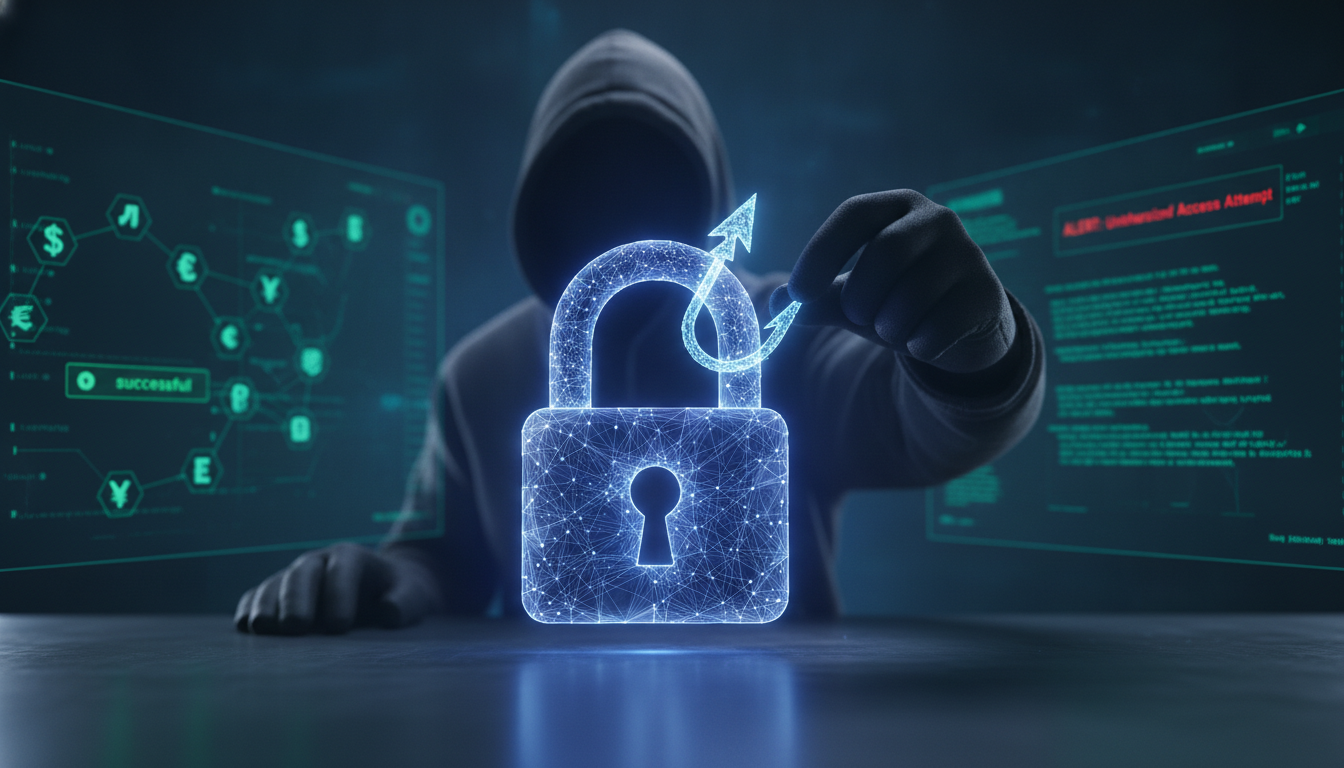
An insider threat is a risk originating from employees, contractors, or others with privileged access inside a centralized exchange. Unlike typical hacking attempts from outsiders, insiders already possess credentials and knowledge of internal systems, making their attacks subtler and often harder to detect.
- Unauthorized Withdrawal: Insiders may steal funds by initiating withdrawals, especially when oversight is weak.
- Data Leaks: Sensitive information like your KYC documents and wallet addresses may be leaked or sold.
- Market Manipulation: Employees with access to order flow and trade history can unfairly front-run trades or manipulate prices.
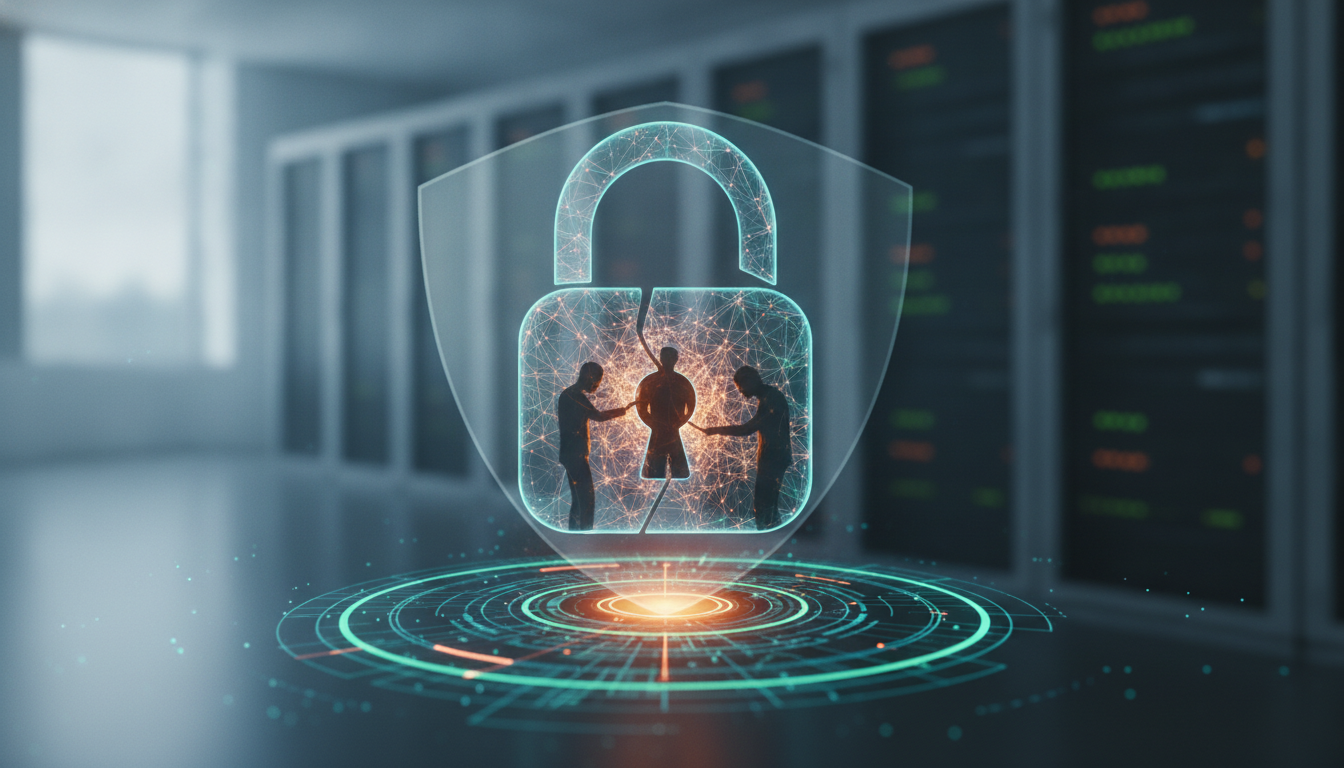
- Collusion: Internal actors may work with outside hackers to bypass security protocols.
The consequences are real: users may lose assets, face identity theft, or become targets for phishing scams. Insider attacks can devastate user trust and platform reputation.
Historic Examples of Insider Exploits
The crypto industry has seen several high-profile cases where insiders played a critical role in security breaches. Some well-known exchange hacks were enabled by employees with privileged access rather than external attackers. In other incidents, rogue staff leaked customer data, exposing thousands to fraud and phishing attempts.
Collapse of certain exchanges was not just a result of outside attacks, but also due to internal mismanagement, negligence, or outright fraud by those in control. These examples demonstrate that insider risks are not theoretical - they are a persistent threat with serious consequences.
Why Centralized Exchanges Are Vulnerable
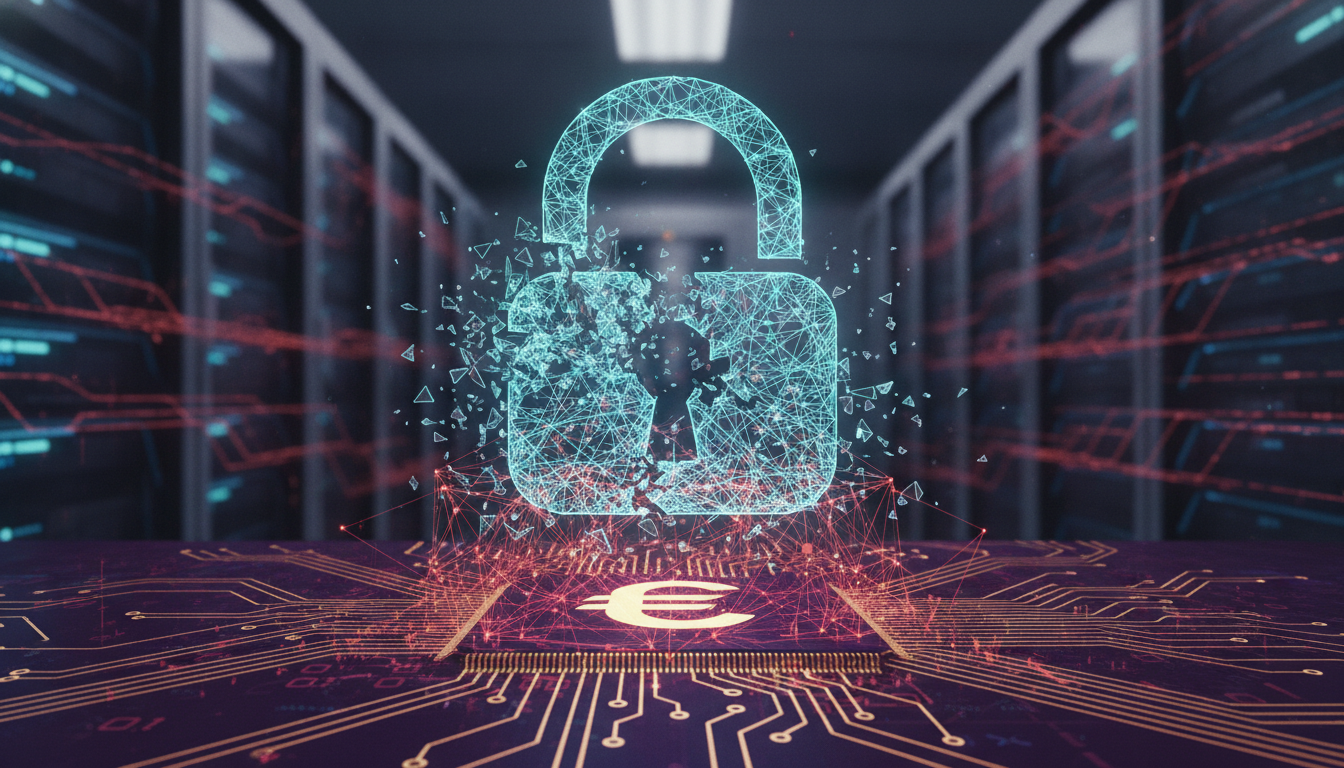
Centralized exchanges act as custodians, holding large amounts of user funds in a few wallets. This concentration of assets creates tempting targets for exploitation. The internal complexity of these platforms means many staff may have access to sensitive systems, increasing the risk of human error or malicious activity.
- Single Points of Failure: Breaching one critical system may expose all assets.
- Opaque Processes: Lack of transparency around fund management can hide signs of abuse.
- Pressure and Temptation: Employees may face financial stress, making them vulnerable to compromise.
Many centralized exchanges lack clear public disclosures about internal controls, leaving users in the dark about how their assets are protected. Even platforms with good reputations can be exposed by the actions of a single insider.
How Exchanges Try to Mitigate Insider Risks
Responsible exchanges employ multiple strategies to defend against insider threats:
- Multi-Signature Wallets: Require approval from several parties before funds can be withdrawn.
- Separation of Duties: Split responsibilities so no single employee has sole access or control.
- Regular Audits: Internal and external audits help spot unauthorized activity and ensure policies are followed.
- Employee Vetting: Background checks and ongoing monitoring of staff reduce risk from bad actors.
- Access Control: Limit access to sensitive data and systems to only those who need it to do their job.
These defenses are important, but no system is perfect. The complexity and size of some exchanges mean gaps can still be exploited. Users must remain aware of these risks and take responsibility for their own security.
Protecting Your Own Assets: Practical User Strategies
While exchanges are improving their internal defenses, crypto users can take additional steps to reduce exposure to insider threats:
- Withdraw Funds Regularly: Don't leave large balances on exchanges. Move assets to personal wallets with your own private keys.
- Use Decentralized Platforms: Consider decentralized exchanges and non-custodial solutions, which eliminate the need to trust a central operator.
- Monitor Account Activity: Enable notifications for withdrawals and logins. Review account history often for suspicious activity.
- Strong Authentication: Use two-factor authentication and unique passwords to secure your account from unauthorized access.
- Choose Reputable Exchanges: Research the platform's track record, transparency, and security features before depositing funds.
Taking control of your own custody and monitoring can significantly minimize risk, even if an exchange faces internal issues.
Regulation's Impact on Insider Threats
Regulatory bodies are introducing stricter requirements for centralized exchanges, aimed at reducing insider risks. Mandates on transparency, reporting, and customer protection force platforms to adopt more robust internal security measures. Examples include regular compliance audits, clear separation of duties, and stronger privacy standards for customer data.
However, regulatory oversight varies widely by region. Some exchanges operate in jurisdictions with minimal requirements, while others face strict rules and frequent inspections. Users should be cautious and aware that regulation is only one part of the solution. Ultimately, responsibility for asset protection also rests with the user.
Emerging Trends: AI and Advanced Surveillance
Technology is bringing new tools to fight insider threats. AI-powered systems are increasingly used to monitor staff behavior for unusual access patterns or suspicious activity. These tools can rapidly flag potential risks before they escalate.
Blockchain analytics is also helping identify theft or fraud by tracing movements of funds and spotting connections between wallets. As exchanges invest more in advanced monitoring, detection rates improve and risks decrease. Still, technology is only part of the solution - effective policies and user vigilance remain vital.
Balancing Convenience with Security
Centralized exchanges offer unmatched convenience and liquidity, but their structure creates persistent security challenges. Insider threats are particularly dangerous because they are difficult to detect and can cause significant losses. Both exchanges and users must adopt proactive strategies to minimize these risks, from better internal controls to regular monitoring and withdrawal of funds.
Decentralized platforms, improved employee surveillance, and transparent regulatory standards are promising steps forward. Staying informed and cautious is essential for anyone who entrusts their assets to a centralized exchange.