The world of non-fungible tokens (NFTs) is rapidly evolving as developers search for ways to deliver more utility, interaction, and value. While the ERC-721 standard established NFTs as unique digital collectibles on Ethereum, the ERC-6551 upgrade brings a major transformation. This new standard allows each NFT to act as its own wallet, enabling innovative uses in crypto gaming, digital collectibles, and decentralized finance (DeFi). By turning NFTs into smart contract-based accounts, ERC-6551 vastly expands what digital assets can do on the blockchain.
Understanding ERC-6551: Token-Bound Accounts
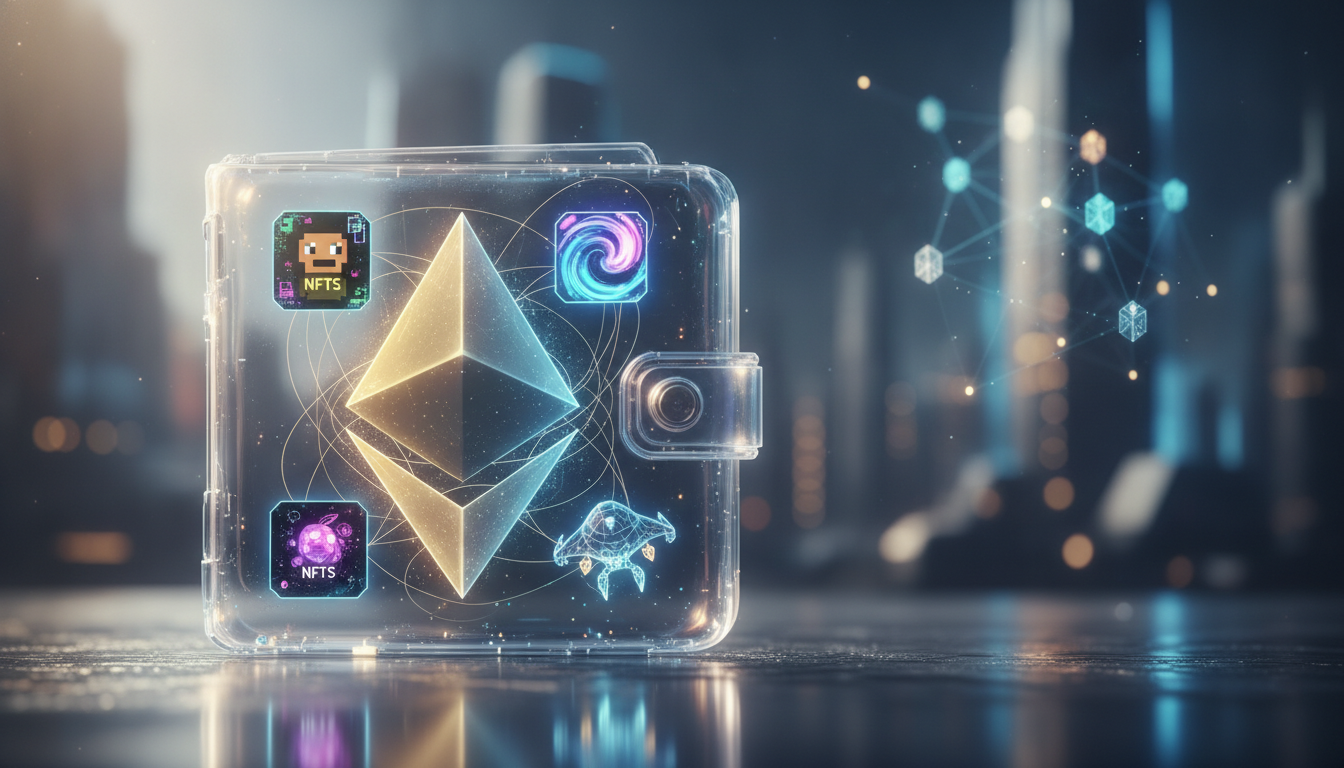
ERC-6551 introduces the concept of "token-bound accounts" for NFTs issued under the ERC-721 standard. Each NFT is linked to a dedicated smart contract wallet. This means an NFT can now hold fungible tokens (like ERC-20), other NFTs, and interact directly with decentralized protocols. Instead of being static objects with only metadata and ownership records, NFTs become programmable entities capable of holding and managing assets themselves.
- Token-bound accounts: Every NFT gets a self-contained smart contract wallet that only it can control.
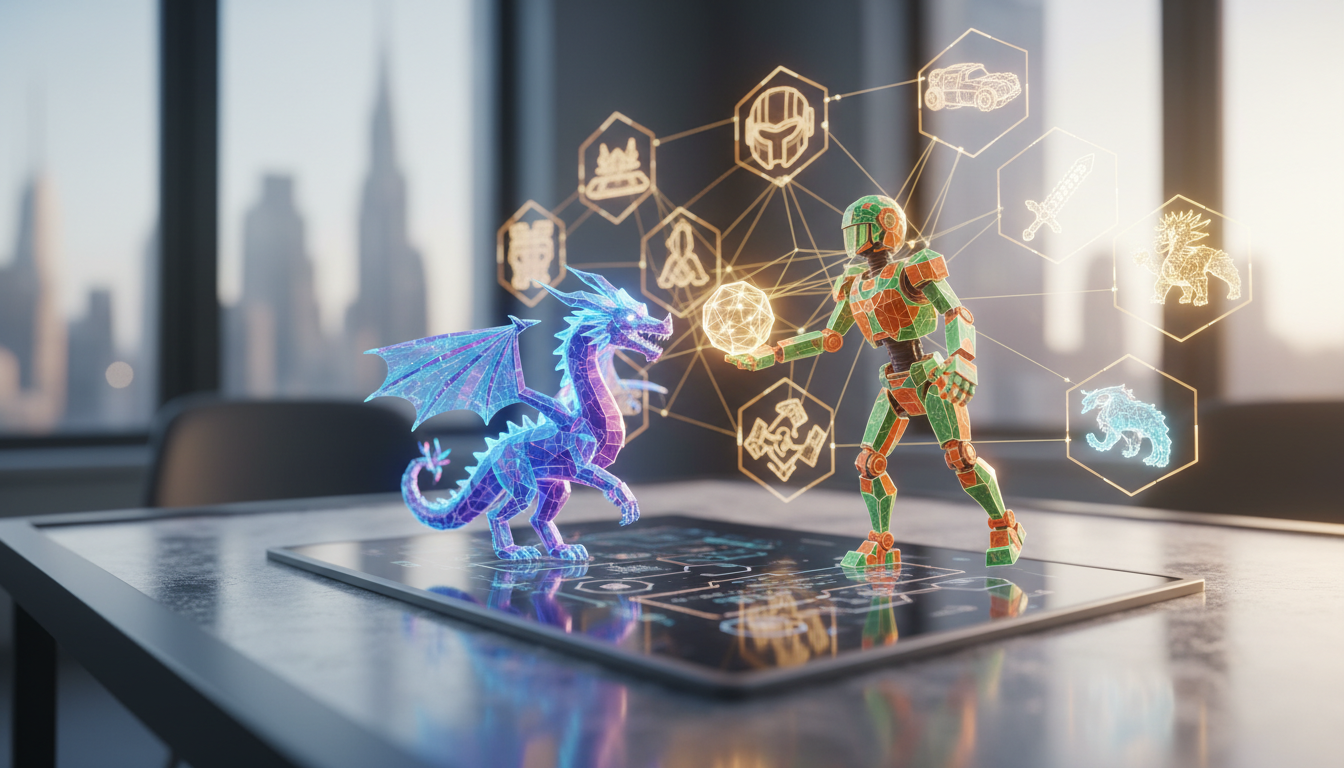
- Composable ownership: NFTs can own tokens, NFTs, or interact with other smart contracts, adding more layers of value and utility.
- Programmable identities: NFTs represent more than collectibles; they become digital personas that can execute transactions and manage assets.
This shift opens up a variety of use cases, offering developers new tools to create interactive, asset-rich experiences within the Ethereum ecosystem.
ERC-6551 in Crypto Gaming: Dynamic and Portable Assets
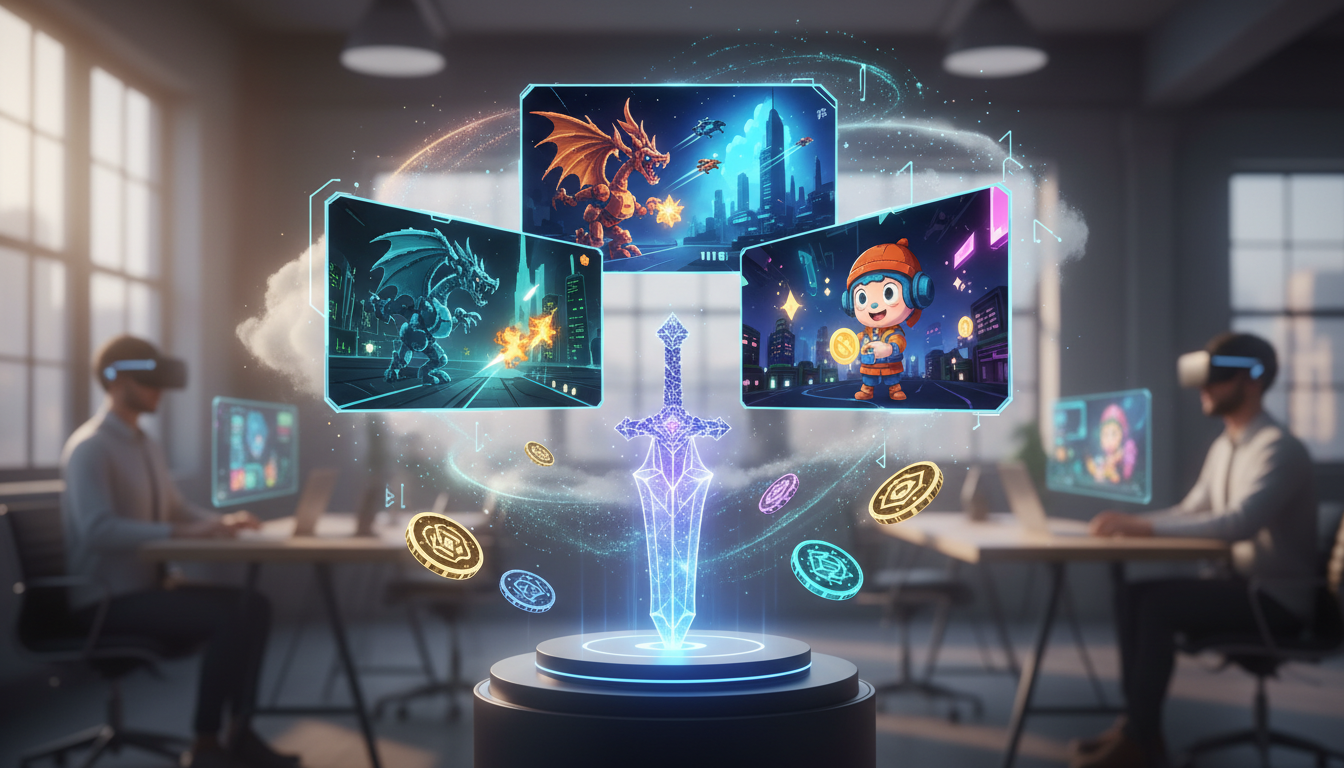
Gaming has been a leading driver of NFT adoption, especially with models like play-to-earn and digital collectibles. With ERC-6551, in-game assets become even more sophisticated. Imagine player avatars as NFTs, each holding their own inventory, currency, achievements, or power-ups directly in their wallet.
- Asset portability: Players can sell or transfer their entire game profile as a single NFT, including all items and progress. This improves secondary markets and game interoperability.
- On-chain progression: All rewards, upgrades, and history are stored within the NFT itself, giving players provable, persistent ownership of their in-game assets.
- Marketplace innovation: NFTs with nested assets or special achievements can become high-value, tradable collectibles, sparking new forms of speculation and community engagement.
For developers, ERC-6551 allows the creation of NFTs that evolve over time, growing as players interact with games. This composability makes games more immersive and increases the value of active, well-used NFTs on the open market.
Digital Collectibles: Layered Ownership and Interactive Experiences
Artists and collectors now have tools to create and manage even more complex digital collectibles. ERC-6551 enables features that go far beyond simple art ownership. For instance, artists can issue NFTs that hold unlockable content, event tickets, or even entire collections of other NFTs. Collectors can curate digital “vaults” packed with rare assets, all managed by a single NFT account.
- Nested collectibles: An NFT can contain multiple artworks or editions, allowing for bundled sales, curated sets, or dynamic packs that change over time.
- Unlockable content: Special rewards, experiences, or exclusive digital goods can be gated behind NFT ownership and accessed directly through the token-bound account.
- Collector communities: NFTs act as social identities, providing holders with access to communities, competitions, and collaborative projects on-chain.
This new structure fuels richer engagement between creators and collectors. Artists can design evolving experiences and collectors can showcase unique, asset-rich NFTs that go far beyond simple images or metadata.
DeFi Integration: NFTs as Active Financial Agents
ERC-6551 also brings NFTs closer to the DeFi world. Instead of being limited to collectibles, NFTs can act as independent financial actors. For example, an NFT could stake tokens, participate in liquidity pools, or even serve as collateral for loans, all managed from its own wallet.
- Yield generation: NFT-bound accounts can deposit assets into staking or yield farming protocols, earning returns that are held within the NFT itself.
- Collateralization: NFTs holding valuable assets can be pledged as collateral in lending platforms, unlocking borrowing or leveraged trading opportunities.
- Automated governance: NFTs with voting tokens can participate in DAO governance, enabling more complex rules for community-driven projects and decentralized organizations.
By transforming NFTs into programmable wallets, ERC-6551 adds a new layer of composability and flexibility to decentralized finance. NFT owners gain the ability to unlock financial utility and programmable behavior, making these assets far more than just static collectibles.
Challenges and Adoption in the NFT Market
While ERC-6551 introduces powerful new features, widespread adoption will depend on improvements in user experience, compatibility, and ecosystem support. Wallet interfaces and marketplaces will need to adapt to account-bound NFTs and their expanded capabilities. Users will require education around managing NFTs that can hold assets or execute transactions, as increased flexibility also introduces new responsibilities and security risks.
Early adopters are already experimenting with token-bound NFTs for avatars, game items, digital pets, and exclusive membership passes. As tools and infrastructure mature, these use cases could become standard across NFT projects and marketplaces. The developer community is actively exploring ways to address security, interoperability, and onboarding challenges to accelerate adoption.
Looking Forward: The Evolution of NFTs on Ethereum
ERC-6551 extends the definition of NFTs from simple digital assets to dynamic accounts capable of holding, managing, and interacting with the broader Ethereum ecosystem. For crypto gaming, collectibles, and DeFi, this standard unlocks new ways to generate value and engage users. As NFT projects and protocols embrace token-bound accounts, expect to see a wave of innovation in how digital property, identity, and finance intersect on-chain.
The introduction of ERC-6551 signals a shift toward more interactive and composable blockchain experiences. Developers, artists, gamers, and collectors will all find new opportunities to create, trade, and collaborate as NFTs become programmable containers for assets, utility, and social interaction.