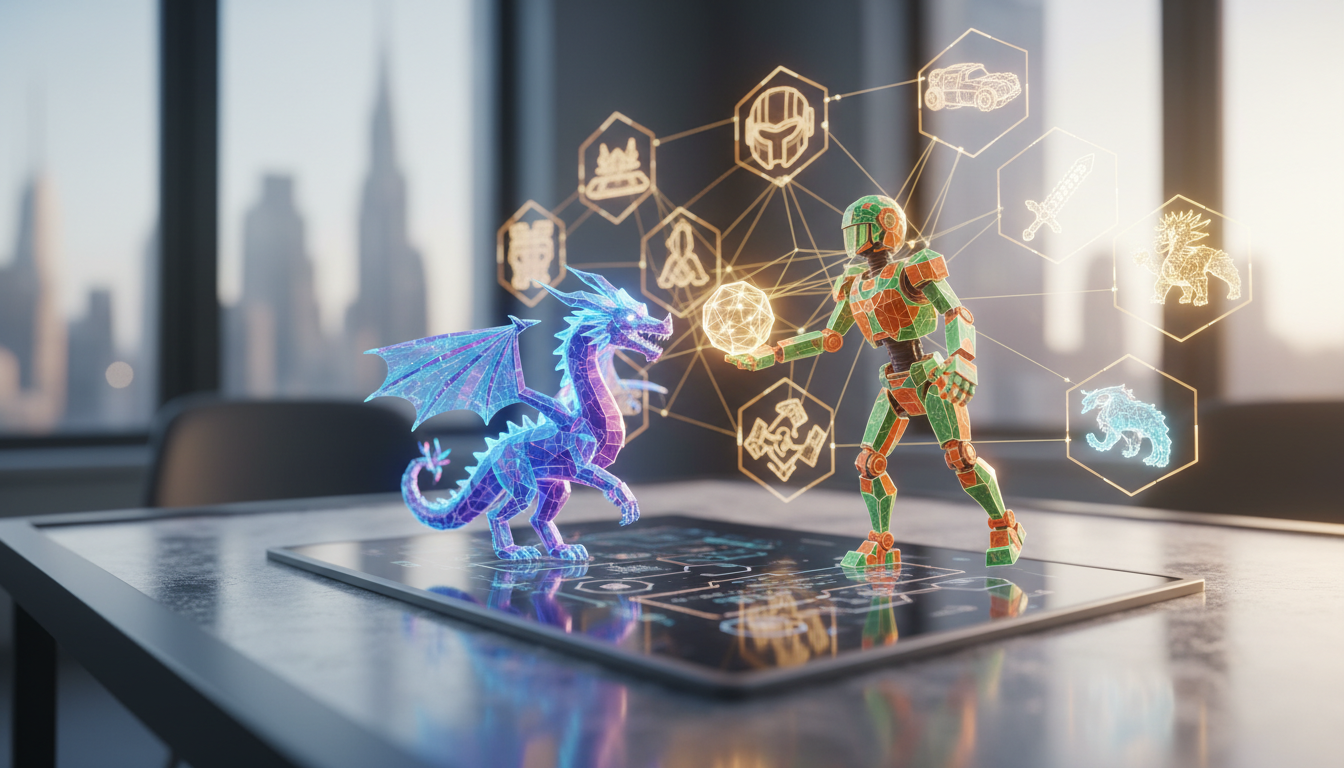
As we step into 2026, the NFT landscape continues to evolve, reshaping how we interact with digital assets in the cryptocurrency world. Interoperability - the ability for NFTs to move seamlessly across different blockchains and platforms - has emerged as a game-changer, particularly in crypto gaming and digital collectibles. This article delves into how this innovation is driving growth, enhancing user experiences, and integrating with ecosystems like Ethereum, all while maintaining the core principles of blockchain technology.
What is NFT Interoperability and Why It Matters
NFT interoperability refers to the seamless transfer and use of non-fungible tokens across various blockchains, games, and applications. Unlike traditional NFTs that were often siloed within specific ecosystems, interoperable NFTs allow users to buy an asset on one platform and utilize it on another. This is powered by advanced blockchain protocols, with Ethereum leading the charge through its upgrades like Ethereum 2.0, which has improved scalability and reduced gas fees.
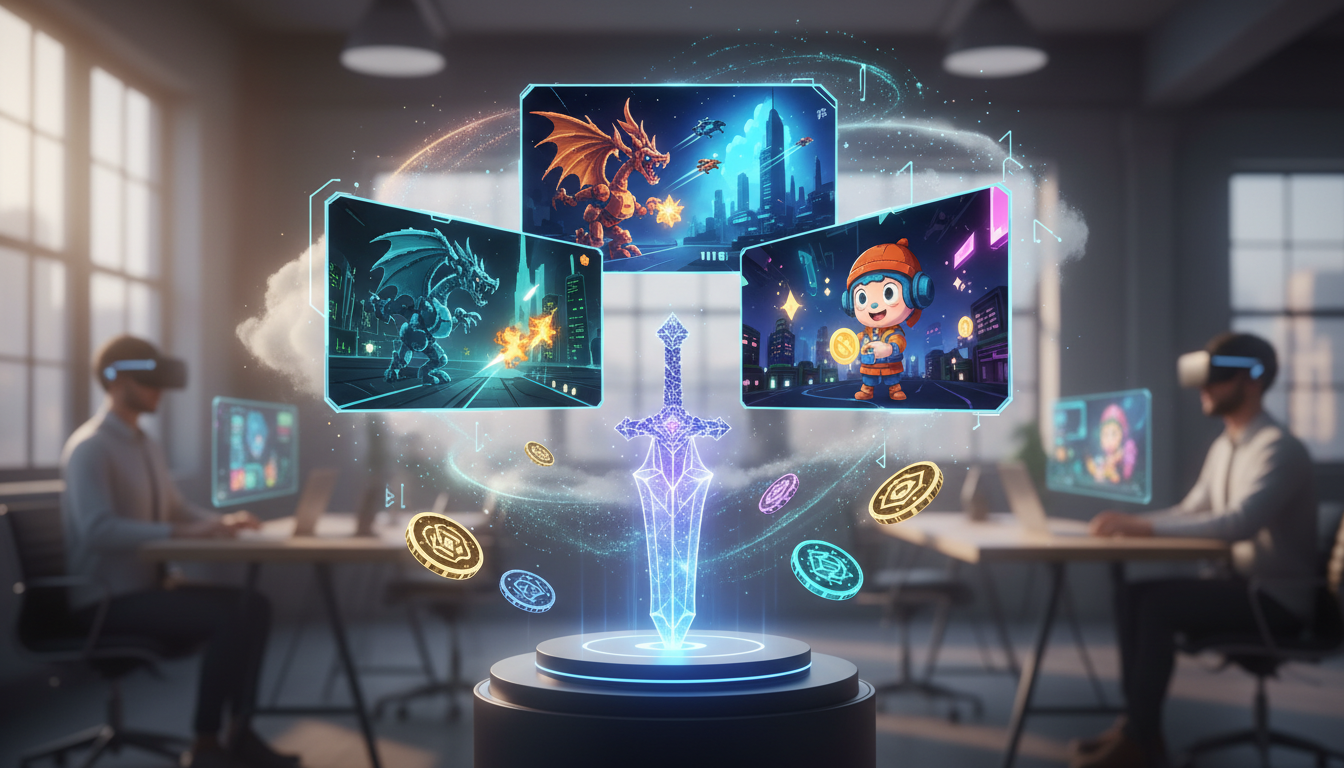
In the context of crypto gaming, interoperability means players can take their in-game items, such as rare weapons or character skins, from one game to another. For instance, an NFT character created on an Ethereum-based game could be imported into a game on a layer-2 solution like Polygon, expanding play possibilities and creating a truly interconnected metaverse. This not only boosts player engagement but also increases the real-world value of these digital collectibles.
- Enhanced liquidity: Interoperable NFTs can be traded across multiple marketplaces, making it easier for users to sell or exchange assets without losing value.
- Reduced fragmentation: No longer are NFTs stuck in one ecosystem; this fosters a more unified crypto market.
- Increased security: Cross-chain bridges, often secured by smart contracts on Ethereum, ensure transactions are transparent and tamper-proof.
NFTs in Crypto Gaming: A New Era of Play-to-Earn
Crypto gaming has exploded in popularity, with NFTs at its heart. By May 2026, platforms like Axie Infinity and newer entrants are leveraging interoperable NFTs to create dynamic economies. In these games, players earn cryptocurrency by completing tasks, and their NFT assets can be used across compatible games, amplifying earning potential.
Take, for example, the integration of NFTs with decentralized finance (DeFi) protocols. A player might stake their gaming NFTs as collateral in a DeFi pool on Ethereum, earning yields while their assets appreciate. This blend of gaming and DeFi exemplifies how NFTs are not just collectibles but functional assets in the broader crypto ecosystem. According to recent blockchain analytics, the total value locked in NFT-backed gaming has surged, with Ethereum-based games accounting for over 60% of transactions due to its robust smart contract capabilities.
Moreover, interoperability is addressing past pain points like high fees and slow transactions. With solutions like zero-knowledge proofs on Ethereum, developers are building games that are faster and more accessible, attracting a wider audience to the crypto markets. This evolution is fostering innovation, as game studios collaborate to create shared universes where NFTs from one game enhance experiences in another.
Digital Collectibles: Beyond Gaming into Mainstream Crypto
Digital collectibles, such as virtual art, music, and virtual real estate, have always been a cornerstone of the NFT world. In 2026, interoperability is taking these assets to new heights by allowing them to interact with crypto gaming elements. For instance, an NFT artwork purchased on a platform like OpenSea could be displayed in a virtual gallery within a crypto game, blending entertainment with investment.
This crossover is particularly evident in the Ethereum ecosystem, where NFTs are minted using standards like ERC-721 and ERC-1155, ensuring compatibility. Collectors can now use their digital assets in decentralized applications (dApps) for staking or lending, further integrating them into the DeFi space. The result is a vibrant market where digital collectibles appreciate not just through scarcity but through utility across platforms.
- Market expansion: Interoperable NFTs are drawing in traditional art collectors, who are now exploring crypto markets for diversified portfolios.
- Innovation in ownership: Fractional ownership of high-value NFTs, enabled by blockchain, allows more people to invest in digital collectibles without buying the whole asset.
- Community building: Platforms are using NFTs to create exclusive communities, where members can use their collectibles for access to events or gaming tournaments.
Market Analysis: Trends and Challenges in the NFT Space
The NFT market in 2026 is booming, with trading volumes on Ethereum alone reaching unprecedented levels. Interoperability has been a key driver, but it comes with challenges. Regulatory scrutiny is increasing, as governments worldwide seek to understand how cross-chain NFTs affect crypto markets. Additionally, security risks like bridge hacks highlight the need for robust protocols.
From an investment perspective, NFTs tied to crypto gaming and digital collectibles offer high returns. Data from blockchain explorers show that portfolios including interoperable NFTs have outperformed traditional crypto holdings by 25% in the past year. However, volatility remains a factor, with prices influenced by gaming trends and broader market sentiments around Bitcoin and Ethereum.
Looking at altcoins, projects like Solana and Binance Smart Chain are competing with Ethereum by offering faster interoperability solutions, but Ethereum's established infrastructure keeps it dominant. Investors should watch for upcoming upgrades that could further enhance NFT capabilities, making the market more resilient.
The Future of NFTs: Integration and Innovation
As we move forward, the future of NFTs lies in deeper integration with other crypto sectors. Imagine a world where your NFT digital collectible doubles as a governance token in a DAO (Decentralized Autonomous Organization), giving you a say in platform decisions. In crypto gaming, this could mean player-owned economies where NFTs evolve based on community input.
By leveraging blockchain technology, NFTs are not just a trend but a fundamental shift in how we value digital ownership. With Ethereum at the forefront, the potential for growth is immense, paving the way for a more interconnected and efficient crypto market.
Conclusion: Embracing the Interoperable NFT Revolution
In conclusion, NFT interoperability is revolutionizing crypto gaming and digital collectibles, creating a more dynamic and accessible ecosystem. As of May 2026, this trend is solidifying NFTs as essential components of the cryptocurrency world, offering endless opportunities for innovation and investment. Whether you're a gamer, collector, or investor, staying informed on these developments is key to navigating the evolving crypto markets.