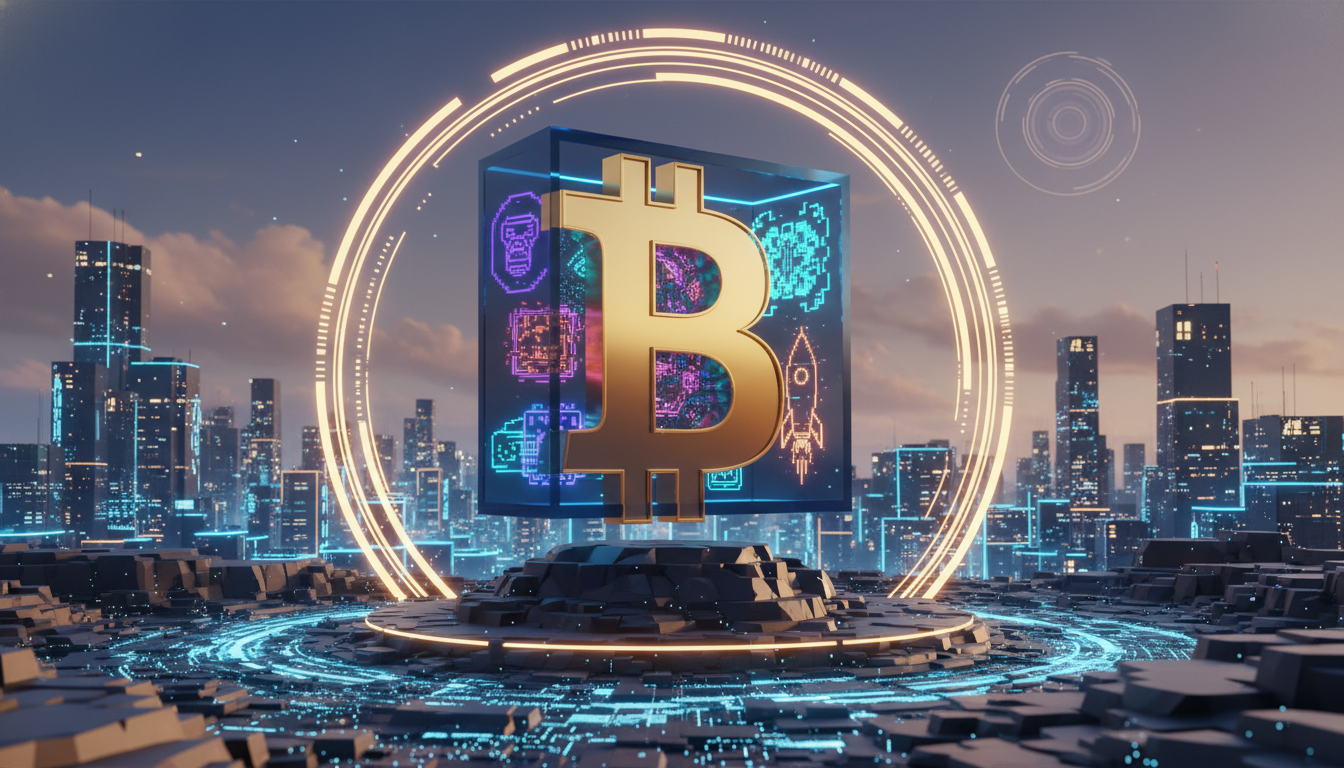
The world of non-fungible tokens (NFTs) has largely been synonymous with Ethereum and other smart contract platforms, but Bitcoin is now making headlines in the NFT space thanks to the innovative Ordinals protocol. As the oldest and most recognized blockchain, Bitcoin has traditionally focused on peer-to-peer payments and secure value storage. However, the emergence of Ordinals has unlocked new possibilities, allowing digital collectibles to be inscribed directly onto individual satoshis - the smallest units of Bitcoin.
What Are Ordinals and Bitcoin NFTs?
Ordinals is a protocol that assigns unique numbers to each satoshi (one hundred millionth of a Bitcoin) and enables the attachment of arbitrary data, such as images, text, or even small applications. This process is known as 'inscription,' effectively minting NFTs on the Bitcoin blockchain without the need for smart contracts.
This approach bypasses traditional NFT standards like ERC-721 used on Ethereum, offering a novel method of creating immutable and scarce collectibles directly on Bitcoin. With Ordinals, each inscribed satoshi becomes a distinct digital artifact, verifiable and transferable on the Bitcoin network.
Impact on the Crypto Market
The integration of NFTs into Bitcoin has sparked a wave of interest and speculation, influencing both the market and transaction dynamics. Historically, NFT activity has been concentrated on platforms like Ethereum, Solana, and Polygon. Bitcoin's entry into this domain has several implications:
- Increased Transaction Fees: Ordinals inscriptions have caused notable spikes in Bitcoin transaction fees, as collectors and creators compete to inscribe their NFTs.
- Broadening the Ecosystem: Bitcoin's NFT ecosystem is attracting a new class of artists, developers, and collectors, diversifying the network's utility beyond payments.
- Market Valuation: Rare Ordinals inscriptions and collections have fetched significant prices, prompting debate about the long-term value of Bitcoin-native NFTs versus those on other chains.
Notable Bitcoin NFT Projects
Several projects and collections have emerged within the Ordinals space, demonstrating the versatility of Bitcoin as a platform for digital art and collectibles:
- Ordinal Punks: Inspired by the iconic CryptoPunks on Ethereum, Ordinal Punks utilizes Bitcoin inscriptions to create generative pixel art avatars.
- Taproot Wizards: Leveraging Bitcoin's Taproot upgrade, this project features inscribed wizards and magical themes, pushing the boundaries of on-chain art.
- Inscription Artifacts: Artists are experimenting with inscribing larger, more complex artworks, testing the limits of block size and blockchain permanence.
Comparing Bitcoin and Ethereum NFT Ecosystems
Ethereum remains the dominant force in NFTs, with a mature ecosystem of marketplaces, tooling, and standards. However, Bitcoin’s Ordinals offers a unique approach:
- Immutability: Bitcoin’s blockchain is renowned for its security and longevity, making Bitcoin NFTs attractive to collectors seeking lasting provenance.
- No Smart Contracts: The absence of smart contracts simplifies NFT interactions but limits programmability compared to Ethereum's flexible standards.
- Scarcity: The finite nature of satoshis and the technical constraints of inscriptions create a different scarcity dynamic than on Ethereum.
Challenges and Future Directions
While Ordinals and Bitcoin NFTs represent an exciting evolution, they face several challenges:
- Scalability: Large-scale NFT activity may strain Bitcoin’s limited block space, impacting the network’s original purpose.
- Marketplace Infrastructure: Most Bitcoin NFT transactions currently occur via OTC trades or specialized platforms; robust marketplaces are still in development.
- Community Debates: The introduction of NFTs has sparked controversy within the Bitcoin community, with some users concerned about increased fees and potential dilution of Bitcoin’s ethos.
Despite these hurdles, developers continue to innovate. Protocols like BRC-20 (a token standard using Ordinals) are expanding Bitcoin’s utility, and cross-chain solutions may bridge Bitcoin NFTs to other ecosystems. As the landscape evolves, Bitcoin’s NFT scene could become a lasting fixture in the broader crypto collectibles market.
Conclusion
Bitcoin NFTs via the Ordinals protocol represent a significant expansion of blockchain utility, blending the world’s most secure ledger with the creativity of digital collectibles. While Ethereum and other chains lead in NFT infrastructure, Bitcoin’s approach offers unmatched permanence and provenance. As infrastructure matures and new projects launch, Bitcoin NFTs may carve out a unique niche in the ever-growing universe of crypto digital assets.