Decentralized finance (DeFi) has fundamentally changed the way people interact with cryptocurrencies and blockchain networks. By removing intermediaries, DeFi platforms make it possible for anyone to trade, lend, borrow, or stake assets directly on blockchain protocols. While this innovation unlocks new opportunities, it also creates fertile ground for scams. Among the most damaging are rug pulls, which have siphoned millions of dollars from unsuspecting crypto investors.
Understanding Rug Pulls in DeFi
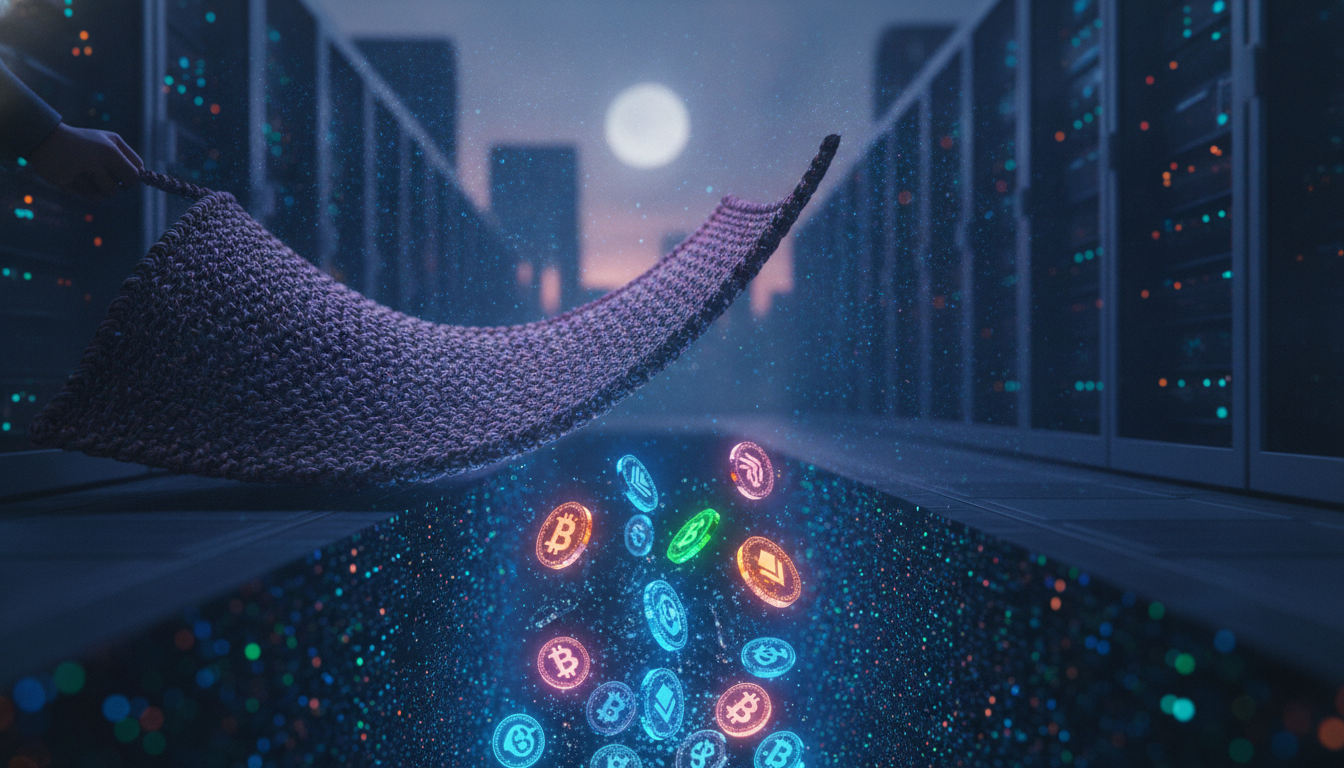
A rug pull is a crypto scam where developers abandon a project and withdraw all funds or liquidity, leaving investors with tokens that suddenly become worthless. This crime is especially prevalent on decentralized exchanges (DEXs) and open DeFi projects, where launching new tokens and pools is quick and mostly unregulated.
In a typical rug pull, the creators build hype and attract investment into their token or liquidity pool. Once enough capital is locked up, they drain the pool or exploit vulnerabilities to extract funds. Investors are left with tokens that cannot be sold, and the value of the token collapses instantly.
Common Types of Rug Pulls
- Liquidity Withdrawal: Developers remove all liquidity from a DEX pool, making it impossible for holders to sell their tokens. This is the most direct and widespread rug pull technique.
- Malicious Smart Contract Code: Some projects insert hidden functions in their smart contracts, allowing the team to mint unlimited tokens, transfer user funds, or otherwise manipulate the project for personal gain.
- Project Abandonment: Developers disappear from all communication channels and cease work on the project, causing the community to lose faith and the token’s value to plummet.
Rug pulls may employ one or a combination of these strategies, often timed for maximum damage to the investor community.
Why Are Rug Pulls So Common in DeFi?
There are several reasons rug pulls have become a notorious issue in DeFi:
- Permissionless Launches: Anyone can deploy a new token or launch a DeFi project with little technical or financial barrier.
- Lack of Oversight: The decentralized nature of these platforms means there is no central authority monitoring new projects or enforcing compliance.
- Anonymous Teams: Many DeFi projects are built by anonymous or pseudonymous developers, making it difficult to hold anyone accountable after a scam.
- Investor FOMO: Hype, viral marketing, and promises of high yields encourage investors to act quickly, often skipping basic research or due diligence.
These factors create an environment where scam projects can thrive, especially among new investors seeking fast returns.
Spotting Rug Pull Red Flags
The best defense against rug pulls is learning how to spot warning signs before you invest. Watch for these red flags:
- Anonymous or Unverifiable Teams: Projects without public, reputable team members are higher risk. Look for founders with proven track records or verifiable online history.
- No Smart Contract Audit: If the project's contracts have not been audited by a reputable third party, they could contain serious vulnerabilities or backdoors.
- Unverified Contract Code: If the smart contract code is not openly published or verified on explorers like Etherscan, it may conceal malicious features.
- Suspicious Tokenomics: Outlandish yields, huge token supplies, or unclear mechanisms for token distribution often suggest unsustainable or fraudulent schemes.
- Unlockable Liquidity: In legitimate projects, liquidity is locked in a smart contract for a defined period. If liquidity can be withdrawn anytime, the risk of a rug pull is much higher.
- Inactive or Artificial Community: A lack of genuine discussion, or sudden waves of social media promotion without substance, can indicate manipulation.
Always verify these points before committing your funds to any DeFi project or token.
How to Protect Your Crypto from Rug Pulls
Staying safe requires a combination of research, caution, and the use of security tools. Here are actionable steps you can take:
- Thoroughly Research the Project: Examine the whitepaper, team background, roadmap, and active community channels. Scrutinize every available detail and ask questions.
- Check for Smart Contract Audits: Favor projects that have undergone security audits. Read the audit reports to see if issues were found and fixed.
- Verify Liquidity Lock: Use on-chain explorers to confirm that project liquidity is locked and cannot be withdrawn by the developers for a set time.
- Start Small: Begin with a modest investment until you gain confidence in the project's reliability.
- Stick to Trusted Platforms: Use established DEXs and DeFi protocols with proven security records. Avoid little-known or recently launched platforms unless you can verify their integrity.
- Use Secure Wallets: Protect your private keys, enable multi-factor authentication where possible, and consider hardware wallets for added security. Never share your seed phrase.
Being methodical and skeptical will dramatically reduce your exposure to scams.
Essential Security Tools for DeFi Investors
Several platforms offer tools and resources to help assess risks before you invest:
- Token Sniffer: Analyzes smart contract code for scams, common bugs, and hidden functions.
- DeFi Safety: Assigns safety ratings to DeFi projects based on transparency and best practices.
- RugDoc: Community-driven project reviews and scam alerts, especially for new launches.
- Etherscan: Allows users to review smart contract code, monitor token holders, and track on-chain activity for suspicious patterns.
Using these tools can help you catch red flags before they become costly mistakes.
What to Do if You Experience a Rug Pull
Once a rug pull has occurred, the decentralized and irreversible nature of blockchain transactions makes fund recovery extremely unlikely. If you fall victim to a rug pull:
- Report the scam to crypto forums and relevant online communities to help warn others.
- Share your experience on social media and review platforms to increase awareness.
- Monitor blockchain addresses tied to the scam for any future activity. Sometimes, information surfaces later that could aid authorities or the community.
Preventing loss through awareness and caution is far more effective than seeking legal recourse after the fact.
The Direction of DeFi Security
The DeFi sector is gradually improving its security standards. More projects now commission thorough smart contract audits, enforce liquidity locks, and foster transparent communities. Decentralized insurance protocols are emerging to offer partial protection for users against specific losses. Regulatory attention is also increasing, with some jurisdictions considering rules to reduce fraud while preserving decentralization.
However, until robust security becomes the norm, personal vigilance remains your strongest defense. By staying informed and actively questioning the projects you invest in, you can better navigate the risks and rewards of DeFi and the broader crypto markets.