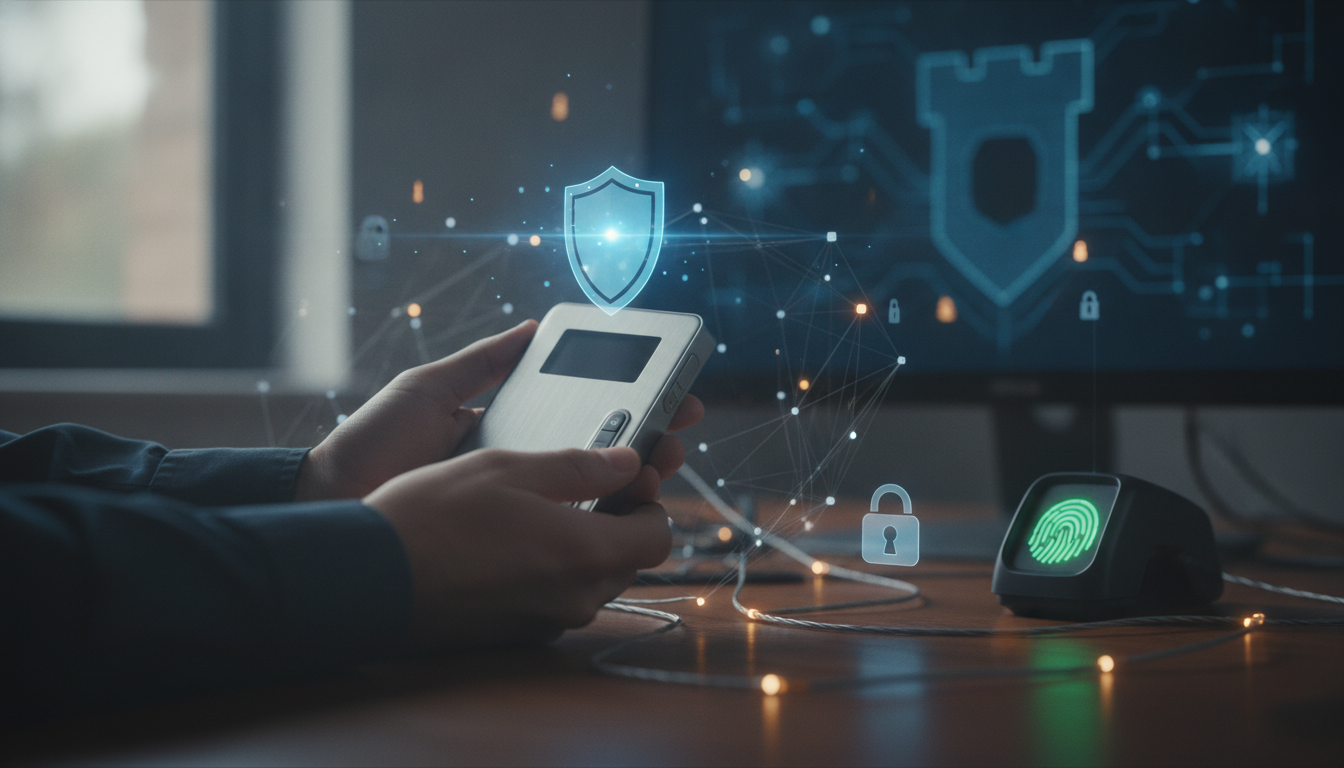
Private keys are at the heart of every cryptocurrency wallet. Whether you hold Bitcoin, Ethereum, or altcoins, your private key is what unlocks access to your digital assets. Protecting this key is critical to preventing theft and unauthorized access. As the crypto market grows, robust wallet security remains a major concern for investors, traders, and enthusiasts alike.
What Are Private Keys and Why Do They Matter?
When you set up a crypto wallet, it generates one or more unique private keys. These are cryptographic codes that enable you to sign transactions and prove ownership of your funds on blockchain networks. In contrast to traditional banking, there are no centralized recovery options in crypto. If you lose your private key or expose it to malicious actors, you risk permanent loss of your assets. Understanding how private keys work and the risks involved is the first step toward protecting your holdings.
Main Threats to Private Key Security
- Malware and Keyloggers: If you enter or store your private key on a compromised device, malware can record it and give hackers access to your wallet.
- Phishing Attacks: Scammers frequently imitate wallet interfaces or send deceptive emails to trick users into revealing private keys or seed phrases.
- Physical Theft: Writing your private key down or keeping it on a device can lead to theft if someone gains physical access to your belongings.
- Cloud Storage Risks: Storing keys or seed phrases on cloud services exposes them to potential data breaches and unauthorized logins.
Each threat demands a different approach to ensure your private key stays safe. The decentralized nature of cryptocurrencies means there is no "forgot password" option should your key fall into the wrong hands.
Best Practices for Private Key Management
To reduce risk and keep your wallet secure, implement proven private key management strategies:
- Use Hardware Wallets: Hardware wallets (such as Ledger or Trezor) keep private keys offline. These devices are built to defend against malware and hacking attempts, and are considered among the safest ways to store crypto.
- Backup Seed Phrases Carefully: Most wallets provide a seed phrase during setup, typically 12 or 24 words. Write this phrase by hand and keep it in a secure place. Avoid digital backups, as they are easier to hack.
- Enable Multi-factor Authentication: For wallets and exchange accounts, turn on two-factor authentication (2FA) to add an extra safeguard against unauthorized logins.
- Regular Software Updates: Keep wallet apps and device operating systems up to date. Updates often fix security holes and improve protection against new threats.
- Stay Off Public Networks: Avoid accessing your wallet from public Wi-Fi, which can be vulnerable to data interception and man-in-the-middle attacks.
- Strong Passwords: When passwords are needed, use long, complex combinations for wallet encryption and accounts linked to your crypto.
These practices reduce risk substantially, but no single method is foolproof. Combining several strategies provides a more effective security posture for your wallet.
Cold Storage: Paper Wallets and Air-Gapped Devices
For maximum protection, some users opt for cold storage solutions. Paper wallets involve printing your private key and public address on paper, keeping them completely offline. This approach is resistant to online threats, but it is essential to protect the paper from fire, water, and theft.
Air-gapped devices are computers kept entirely offline, used to generate keys and sign transactions without ever connecting to the internet. They provide an extra layer of defense but require technical knowledge and careful maintenance.
- Store paper wallets in secure, concealed locations.
- Use fireproof and waterproof containers for physical backups.
- Consider splitting backups and storing them in multiple places.
Cold storage is suitable for large holdings or assets that you intend to hold long-term. However, accessibility is reduced, and you must balance convenience with security.
Recovery and Inheritance Planning
Many crypto investors overlook recovery and inheritance planning. Losing your private key means losing your assets. Consider these steps to ensure your holdings are recoverable and transferable:
- Redundant Backups: Make multiple copies of your seed phrase or key and store them in secure, separate locations, such as safety deposit boxes or fireproof safes.
- Trusted Individuals: If desired, you can share access instructions with a reliable person or legal representative for emergency or succession purposes.
- Encrypted Storage: Advanced users may use encrypted USB drives or password-protected files for digital backups. Ensure only you have access to the decryption keys.
Planning ahead helps avoid irreversible loss and ensures your assets can pass on to heirs if needed.
Hot and Cold Wallets: Balancing Security and Convenience
Crypto wallets are generally classified as hot or cold:
- Hot Wallets: These are connected to the internet, suitable for frequent transactions and trading. They are more exposed to threats like hacking and malware.
- Cold Wallets: These remain offline (hardware wallets, paper wallets, air-gapped devices) and are ideal for long-term storage and large holdings.
Many users keep funds needed for everyday activity in hot wallets, while storing larger amounts in cold wallets. This combination allows for both flexibility and enhanced security.
Continuous Vigilance and Staying Informed
The threat landscape in crypto security evolves rapidly. New exploits and vulnerabilities are discovered regularly. Staying updated is crucial:
- Follow official wallet and exchange channels for security updates.
- Participate in reputable crypto community discussions.
- Be skeptical of unsolicited requests and double-check website URLs before entering sensitive information.
- Monitor advances in wallet technology and adopt new security features when available.
Maintaining awareness and adapting to new threats is key to keeping your crypto assets safe.
Takeaways for Crypto Asset Protection
Managing private keys is the foundation of crypto wallet security. By using hardware wallets, implementing strong backups, enabling multi-factor authentication, and staying vigilant, you can protect your Bitcoin, Ethereum, and altcoins from common threats. Security in cryptocurrency is a personal responsibility, so take proactive steps to safeguard your investments.