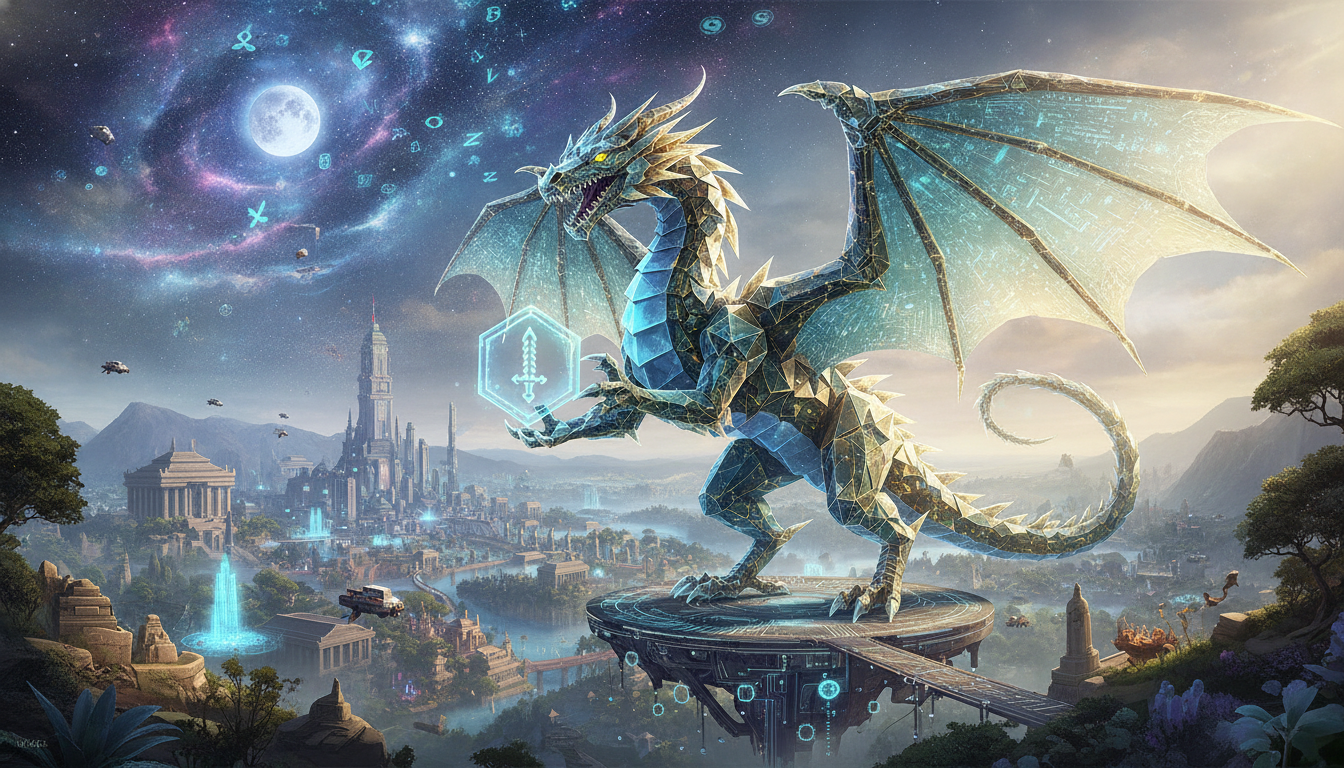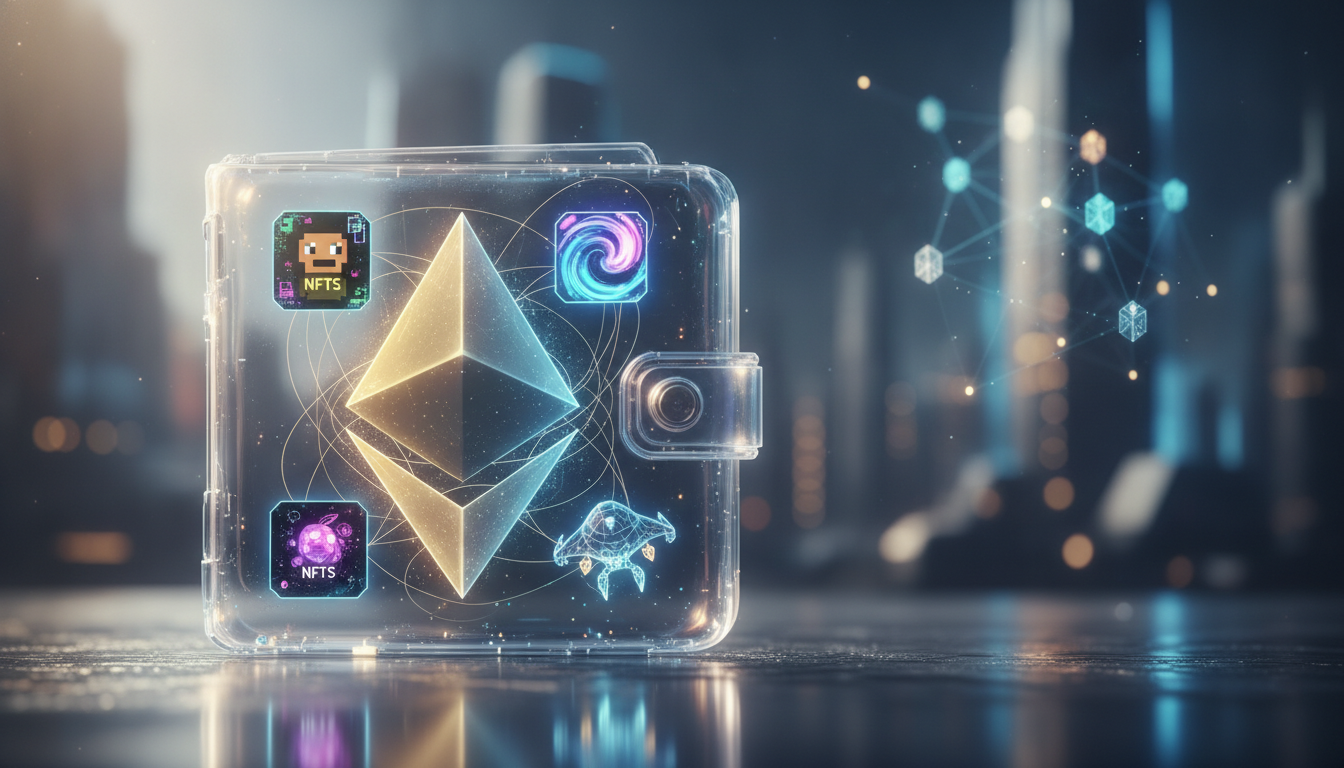
In the rapidly evolving landscape of blockchain technology, NFTs (non-fungible tokens) have found a powerful use case within the world of crypto gaming. The intersection of NFTs and play-to-earn (P2E) models is fundamentally reshaping how gamers interact with digital assets, sparking new economic opportunities and redefining digital ownership. As Bitcoin and Ethereum continue to anchor the blockchain ecosystem, NFT-powered gaming platforms are gaining traction, leading to increased adoption and innovation.
The Rise of Play-to-Earn Models in Crypto Gaming
Traditional video games have long restricted ownership of in-game assets. Players invest time and money, but their digital collectibles - skins, weapons, characters - remain locked within proprietary platforms. With blockchain, specifically through Ethereum-based smart contracts, NFTs grant gamers true ownership and the ability to trade or monetize their assets transparently.
Play-to-earn platforms reward players not only with in-game currency but with real, blockchain-backed NFTs. These tokens can be sold, traded, or transferred across marketplaces, unlocking liquidity and real-world value. Games like Axie Infinity and Gods Unchained have pioneered this approach, leveraging Ethereum’s ERC-721 and ERC-1155 token standards to facilitate digital asset creation and ownership.
How NFTs Enable Digital Ownership and Market Growth
The core of NFT utility in crypto gaming is digital ownership. Each NFT represents a unique, verifiable item on the blockchain. This empowers players to:
- Buy, sell, and trade assets: Gamers can freely exchange NFTs on decentralized marketplaces like OpenSea or Immutable X, unlike conventional games where items are locked in the ecosystem.
- Monetize gameplay: Skilled players can earn NFTs through gameplay, which hold tangible value and can supplement income.
- Cross-game interoperability: Some platforms are experimenting with using NFTs across multiple games, expanding their utility and value proposition.
With blockchain verification, NFT scarcity and authenticity are guaranteed, reducing fraud and counterfeit risks. This transparency is particularly appealing for collectors and investors seeking rare digital assets.
Ethereum's Dominance and Emerging Blockchain Alternatives
Ethereum remains the primary hub for NFT gaming projects due to its robust developer ecosystem and established standards. However, scalability issues and high transaction fees have spurred interest in alternative chains:
- Polygon: With low fees and fast transactions, Polygon is home to several NFT games, supporting interoperability with Ethereum.
- Solana: Boasting rapid settlement times, Solana’s NFT gaming space is expanding with unique titles and marketplaces like Magic Eden.
- Immutable X: Focused purely on gaming NFTs, Immutable X delivers gas-free minting and trading atop Ethereum.
These blockchains offer solutions to scalability and cost, enabling broader adoption of NFT gaming platforms and smoother user experiences.
Crypto Market Impact: NFT Gaming as an Investment Opportunity
The NFT gaming sector is attracting not only gamers but also crypto investors. NFT assets from sought-after games often appreciate in value, especially if game popularity surges or new features are introduced. Investors are increasingly viewing rare gaming NFTs as speculative assets, akin to digital art collectibles.
Major game studios and indie developers alike are integrating NFT mechanics, sparking innovation and competition. As a result, the crypto market is witnessing:
- Increased trading volumes: NFT marketplaces report higher transaction counts as new gaming assets debut.
- Token launches: Many play-to-earn games issue their own governance and utility tokens, adding liquidity and incentive layers.
- Strategic partnerships: Blockchain companies are partnering with gaming studios to expand NFT ecosystems and foster mainstream adoption.
Challenges and the Road Ahead for NFT Gaming
Despite its promise, NFT gaming faces several hurdles:
- Regulatory uncertainty: Governments are scrutinizing NFT sales and play-to-earn models for compliance with securities and gambling laws.
- Scalability: Ensuring seamless gameplay and NFT transactions remains a technical challenge, especially for large-scale multiplayer games.
- User onboarding: Crypto wallets and blockchain knowledge are still barriers for mainstream gamers, requiring more intuitive interfaces.
Nevertheless, advances in blockchain technology, wallet integration, and cross-chain compatibility are steadily lowering these barriers. As Bitcoin and Ethereum continue to anchor the broader ecosystem, NFT-powered gaming is poised for sustained growth.
Conclusion: The New Era of Digital Ownership
In summary, NFTs in crypto gaming are transforming how players earn, collect, and own digital assets. By leveraging blockchain’s transparency and Ethereum’s smart contract functionality, play-to-earn models empower gamers to monetize their skill and time. As the NFT gaming market matures, expect continued innovation, investment, and adoption - ushering in a new era of digital ownership within the crypto landscape.