The Evolution of NFTs in 2026
The landscape of Non-Fungible Tokens (NFTs) has undergone a significant transformation by 2026. What began as a surge of interest primarily centered around digital art and collectibles has matured into a robust ecosystem focused on practical applications and tangible utility. The initial hype cycles, characterized by high-profile sales of digital artwork, have given way to a more sustainable model where NFTs serve as functional tools within various industries.
This shift is not merely a change in market sentiment but a fundamental redefinition of what an NFT represents. In 2026, an NFT is increasingly recognized not just as a unique digital item, but as a programmable token capable of unlocking real-world value and experiences. This evolution aligns with the broader maturation of the blockchain space, where foundational technologies are being leveraged to solve practical problems and create new economic models.
The market activity in 2026 reflects this growth. August 2026, for instance, has emerged as a strong month for the broader crypto market, with total trading volume reaching $2.07 billion. This surpasses April's $1.97 billion, indicating a healthy and expanding ecosystem. While these figures encompass the entire crypto market, the underlying trend of increasing utility and integration across different blockchain sectors directly supports the sustained relevance and growth of NFTs.
Practical Applications of Utility NFTs
The defining characteristic of NFTs in 2026 is their emphasis on practical applications. The era of NFTs as purely speculative digital art has largely receded, replaced by a focus on utility. These utility NFTs are designed to provide holders with specific benefits, access, or rights, thereby integrating them more deeply into existing and emerging digital and physical economies.
- Membership and Access Tokens: One of the most prevalent uses of utility NFTs is granting exclusive access. This can range from membership in decentralized autonomous organizations (DAOs) to entry into private online communities or real-world events. An NFT acts as a digital key, verifying ownership and entitlement without the need for traditional intermediaries. For example, an NFT might grant access to exclusive content, private forums, or even early access to new products and services.
- Event Ticketing: NFTs are revolutionizing event ticketing by providing verifiable, immutable records of ownership. This helps combat counterfeiting and allows for seamless secondary market transfers, often with built-in royalty mechanisms for event organizers. The transparency and security offered by blockchain-based tickets enhance the experience for both attendees and organizers.
- Exclusive Digital Content: Beyond simple access, NFTs can unlock exclusive digital content, such as unique in-game items, digital collectibles with enhanced functionality, or premium media. This provides creators with new monetization avenues and offers consumers unique digital experiences that are provably scarce and owned.
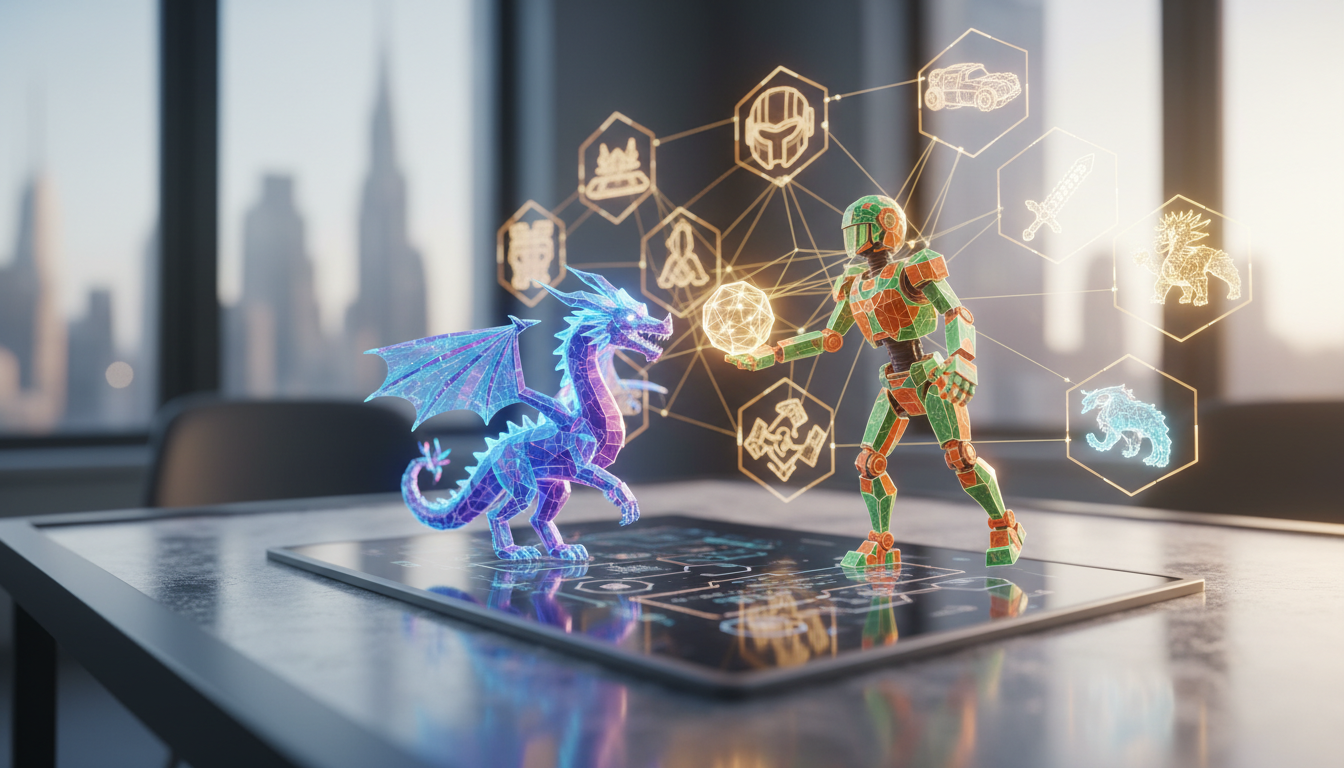
- Web3 Gaming Economies: NFTs are fundamental to the expansive Web3 gaming economies that are flourishing in 2026. In these play-to-earn models, NFTs represent in-game assets, characters, or virtual land, allowing players true ownership and the ability to trade or monetize their digital possessions. This empowers players and fosters vibrant, player-driven economies within virtual worlds.
NFT-Fi: Bridging NFTs and Decentralized Finance
The convergence of NFTs with Decentralized Finance (DeFi), often termed NFT-Fi, represents a significant innovation in 2026. DeFi, a system of financial applications built on blockchains using smart contracts, provides the primitives necessary to unlock new financial possibilities for NFTs. This integration moves NFTs beyond mere collectibles into the realm of liquid, collateralizable assets.
Lending and Borrowing Against NFTs
One of the most impactful aspects of NFT-Fi is the ability to use NFTs as collateral for loans. This allows NFT holders to access liquidity without having to sell their valuable digital assets. DeFi protocols facilitate these loans through smart contracts, automating the process and reducing reliance on traditional financial institutions. This capability is particularly valuable for high-value NFTs, enabling owners to leverage their assets for other investments or immediate needs.
Fractional Ownership of Real-World Assets (RWAs)
NFT-Fi is also instrumental in enabling fractional ownership of real-world assets (RWAs). This involves tokenizing physical commodities or properties into NFTs, which can then be further fractionalized and sold to multiple owners. For example, an NFT might represent a share in a piece of real estate, a rare collectible, or even a valuable commodity. This lowers the barrier to entry for investing in high-value assets, making them accessible to a broader range of investors and increasing liquidity for asset owners.
Cross-Chain Interoperability and Wallet Risks
As NFTs and DeFi evolve, cross-chain interoperability becomes increasingly important. The ability to move NFTs seamlessly between different blockchain networks enhances their utility and liquidity. However, this also introduces new complexities and potential wallet risks. Users must be diligent in understanding the security implications of cross-chain bridges and ensure their digital wallets are adequately protected against emerging threats. Real-time on-chain monitoring, often powered by AI, plays a crucial role in scanning live transactions and mempool activity to identify and mitigate potential security vulnerabilities in deployed smart contracts and user interactions.
The Future Outlook for NFTs
Looking ahead, the trajectory for NFTs in 2026 and beyond points towards continued integration into mainstream applications and a deepening of their utility. The market is moving away from speculative bubbles and towards sustainable models that leverage blockchain technology for verifiable ownership, enhanced access, and innovative financial instruments.
The most valuable NFTs in the current market are those that provide tangible benefits: granting exclusive access to decentralized software, representing fractional ownership of physical commodities, or powering expansive Web3 gaming economies. This focus on utility ensures that NFTs are not just digital curiosities but essential components of the evolving digital economy.
As the broader cryptocurrency market continues to mature - with Bitcoin, for instance, facing an $80,000 test as of August 21, 2026 - the underlying infrastructure supporting NFTs also strengthens. Enhanced security measures, improved scalability solutions, and greater regulatory clarity will further solidify the position of NFTs as a foundational element of the Web3 landscape. The ongoing development in DeFi, coupled with advancements in blockchain security, will continue to unlock new possibilities for how NFTs are created, traded, and utilized, ensuring their long-term relevance and value.