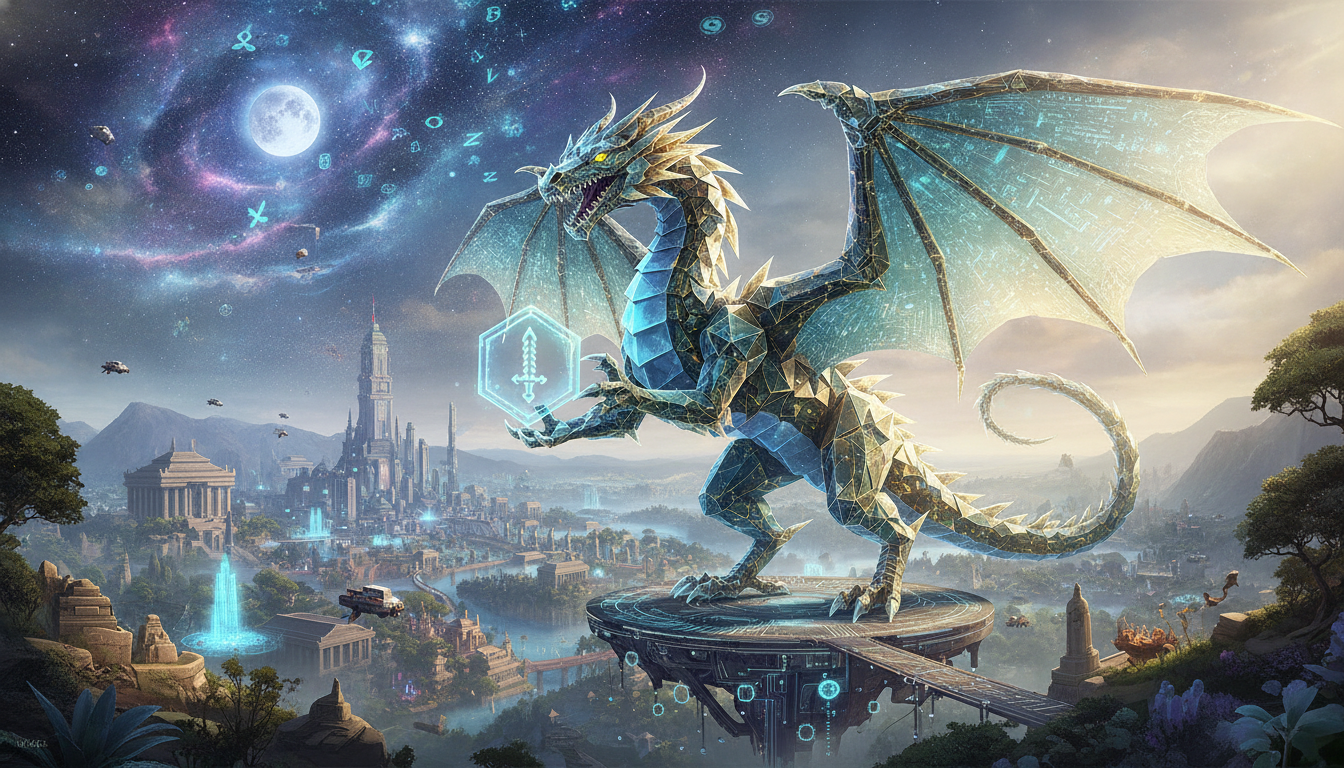
NFTs and crypto gaming are rapidly evolving, creating new opportunities and challenges for players, developers, and investors. This intersection is redefining value and ownership in virtual worlds, thanks to advances in blockchain technology from Ethereum, Bitcoin, and other networks.
What Makes NFTs Essential in Crypto Gaming?
Non-fungible tokens (NFTs) are unique digital assets secured on a blockchain. Unlike cryptocurrencies such as Bitcoin or Ethereum, NFTs represent individual items, such as characters, weapons, or virtual land. Their uniqueness allows gamers to truly own, trade, and monetize assets across multiple games and platforms. This shift from centralized control to player ownership is driving innovation in the gaming industry.
Within games, NFTs serve as verifiable proof of authenticity and scarcity. Blockchain records every transaction, ensuring that gamers can trust the provenance and rarity of their collectibles. The capacity to transfer and trade these assets globally has created vibrant markets and communities around digital collectibles.
Ethereum’s Role and Key Blockchain Innovations
Ethereum stands at the forefront of NFT-based gaming through its robust smart contract infrastructure. Projects like Axie Infinity, Decentraland, and The Sandbox utilize Ethereum to build economies where players can buy, sell, or lease virtual land and rare items. Smart contracts automate these transactions, providing transparency and security.
However, high gas fees on Ethereum pose accessibility challenges. Many gaming projects are turning to Layer 2 solutions and alternative blockchains such as Polygon and Solana. These networks offer faster and cheaper transactions, making NFT gaming more accessible to a wider audience.
Interoperability is another emerging trend. Efforts to standardize NFTs may soon allow gamers to move assets between different games and platforms, expanding use cases and reinforcing digital ownership. Developers are building bridges across chains to enable cross-game functionality, which could be a game-changer for both players and creators.
Bitcoin NFTs and Emerging Opportunities
While Ethereum has largely dominated NFT gaming, Bitcoin is starting to play a role with the introduction of Bitcoin Ordinals. Ordinals allow the inscription of unique assets directly onto the Bitcoin blockchain, bringing Bitcoin’s security and decentralization to the NFT space.
This opens the door for Bitcoin-based collectibles and expands the ecosystem. The reliability of Bitcoin’s blockchain attracts new developers and gamers interested in leveraging its features for digital assets. Although the Bitcoin NFT market is in its early days, it has the potential to diversify the landscape and offer new models for scarcity and ownership.
Play-to-Earn: Incentivizing Players in Decentralized Economies
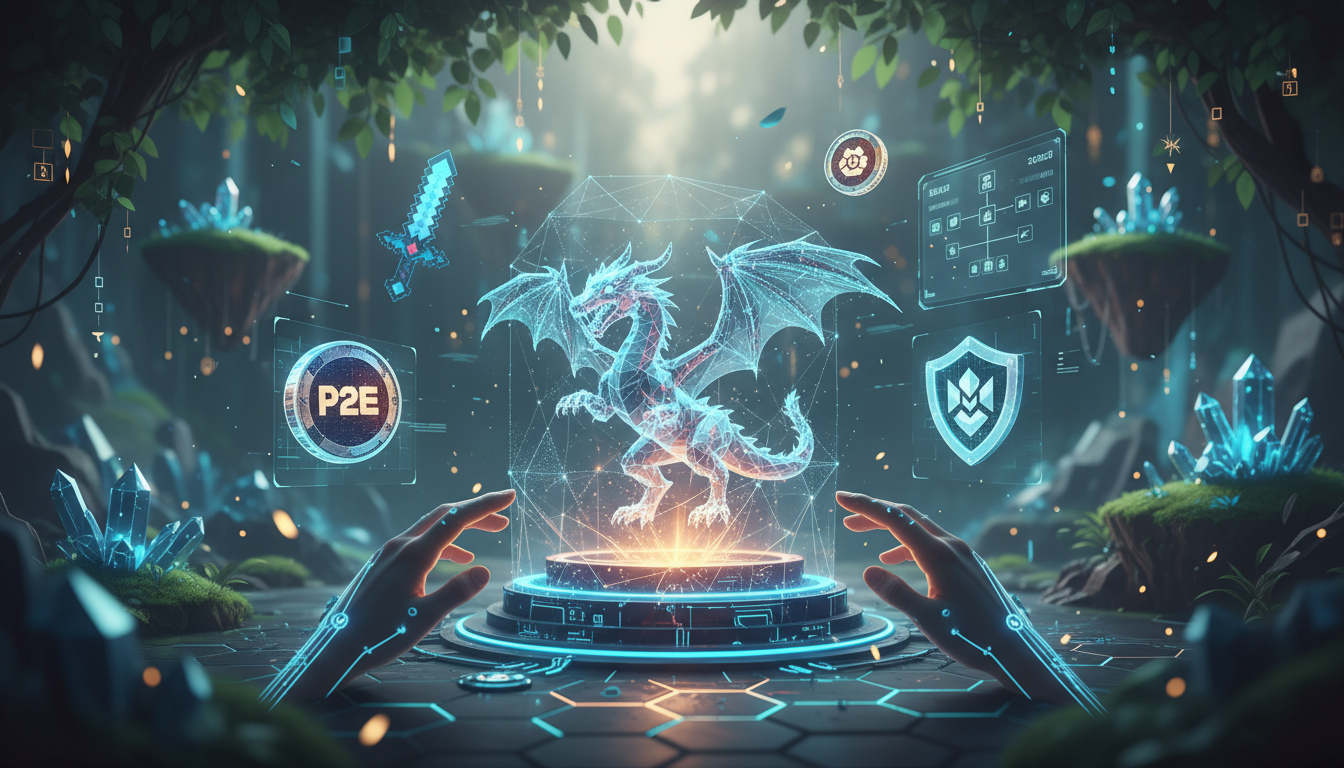
Play-to-earn (P2E) gaming is rapidly gaining popularity. In these games, players earn rewards in NFTs or native tokens, which can be traded or sold on external marketplaces. This model aligns gameplay with economic opportunity, creating incentives for both engagement and skill improvement.
The ability to monetize in-game achievements has attracted traditional gamers and crypto users alike. NFT-powered rewards are sometimes used as collateral or staked for further benefits within the game’s ecosystem. This shift blurs the line between entertainment and finance, making gaming a gateway for broader blockchain adoption.
True Ownership and Digital Collectibles
Before NFTs, most in-game items were tied to a specific game or platform, with limited transferability. Now, NFTs resolve this by granting players real ownership over digital collectibles. Blockchain records guarantee authenticity, and assets can be traded globally, often increasing in value as they become rare or sought-after.
This has enabled new forms of community-driven content and collaborative creation. Some games allow players to contribute to development or create custom items, which are minted as NFTs and integrated into the game. Interoperable NFTs may be used across multiple games, fostering creative crossovers and expanding utility.
Market Trends and Challenges
- Marketplace Activity: NFT marketplaces, such as OpenSea and Blur, have seen increased trading volumes driven by popular blockchain games. This liquidity strengthens in-game economies and supports the growth of new titles.
- Scalability and Fees: High fees on Ethereum have prompted many projects to use Layer 2 solutions or alternative blockchains. Networks like Polygon and Solana are being adopted for their speed and affordability.
- Regulatory Uncertainty: The evolving regulatory environment remains a risk for NFT gaming, particularly regarding token classification and player rewards. Teams must stay nimble to handle changing policies.
- Interoperability: Standardization efforts are underway, aiming to allow NFT assets to move between games and blockchains. This could further empower players and enhance the utility of digital collectibles.
Looking Ahead: NFTs and the Evolution of Crypto Gaming
The future of NFTs in gaming is promising. As blockchain scalability improves and Ethereum continues to upgrade, developers are pioneering new gameplay mechanics and monetization strategies. Bitcoin Ordinals may bring more diversity and security to NFT collectibles.
Decentralized in-game economies are shifting how players perceive virtual ownership. More creators, gamers, and investors are entering the space, drawn by the possibilities of community-driven development and financial rewards. The lines between gaming, digital assets, and crypto markets are fading, positioning NFT-powered games as key drivers in the evolution of digital collectibles.
Adoption is expected to accelerate as technology matures and regulatory clarity emerges. NFT gaming will continue to lead innovation in blockchain, offering new ways to engage, earn, and build in virtual environments.