In the ever-evolving landscape of digital entertainment, crypto gaming has emerged as a powerhouse, blending the thrill of gaming with the innovative potential of blockchain technology. As of February 2026, the industry is witnessing unprecedented growth, with millions of users diving into virtual worlds where digital assets hold real value. This article explores how blockchain is not just enhancing gameplay but also creating new economic opportunities, fostering community-driven ecosystems, and paving the way for a more immersive online experience.
The Fundamentals of Crypto Gaming and Blockchain Integration
Crypto gaming refers to video games that incorporate cryptocurrencies, NFTs, and decentralized ledger technology to create verifiable ownership of in-game assets. Unlike traditional games where items might disappear upon server shutdown, blockchain ensures permanence and true ownership. For instance, players can buy, sell, or trade items like rare weapons or character skins on open marketplaces, with transactions secured and transparent.
This integration began gaining momentum in the early 2020s with games like Axie Infinity, but by 2026, it's evolved into a mainstream phenomenon. Developers are now leveraging layer-2 solutions and faster blockchains to reduce transaction fees and latency, making games more accessible. The result? A seamless blend of fun and finance that appeals to both casual gamers and crypto enthusiasts.
Key Innovations Driving Crypto Gaming Forward
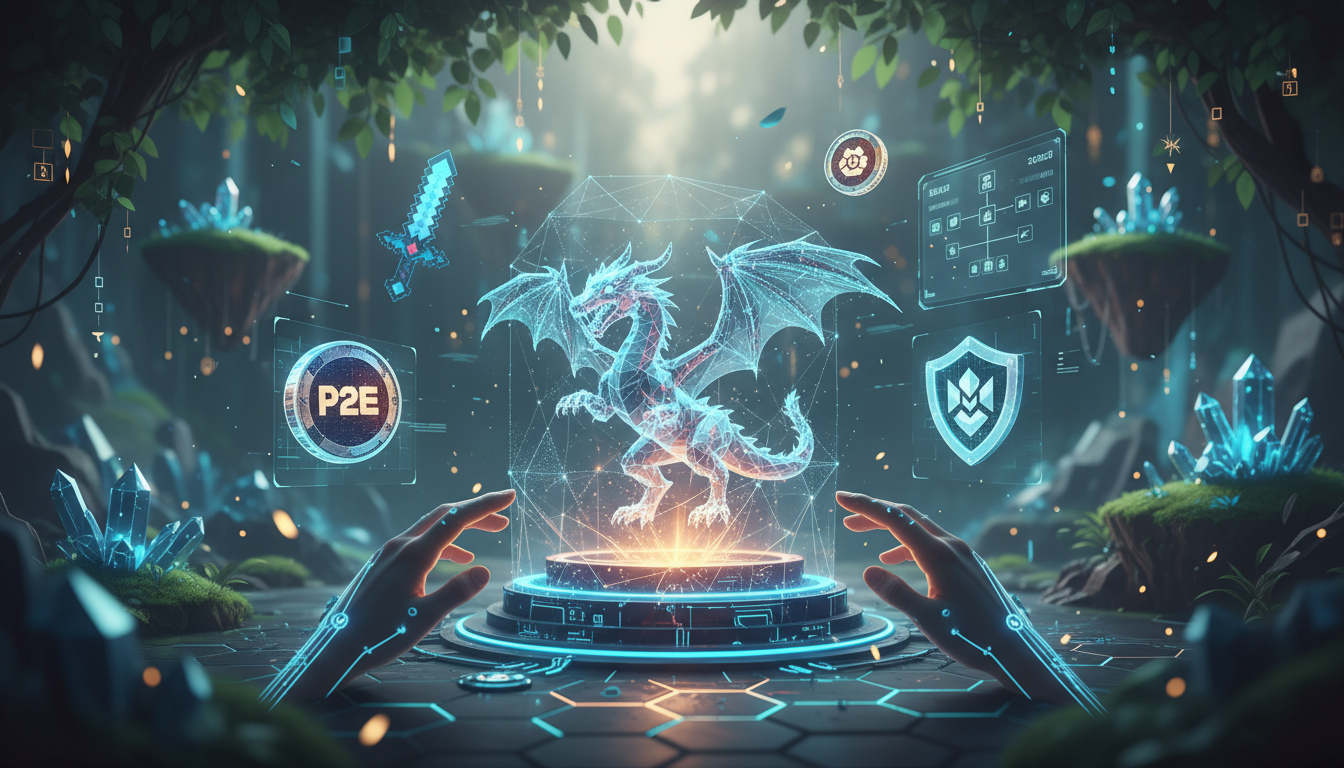
One of the most exciting developments in crypto gaming is the use of smart contracts, which automate in-game events and rewards without needing a central authority. Imagine earning cryptocurrency rewards for completing quests or achieving high scores - these mechanics are now standard in many titles. Additionally, play-to-earn models have democratized gaming, allowing players from developing regions to generate income through their skills.
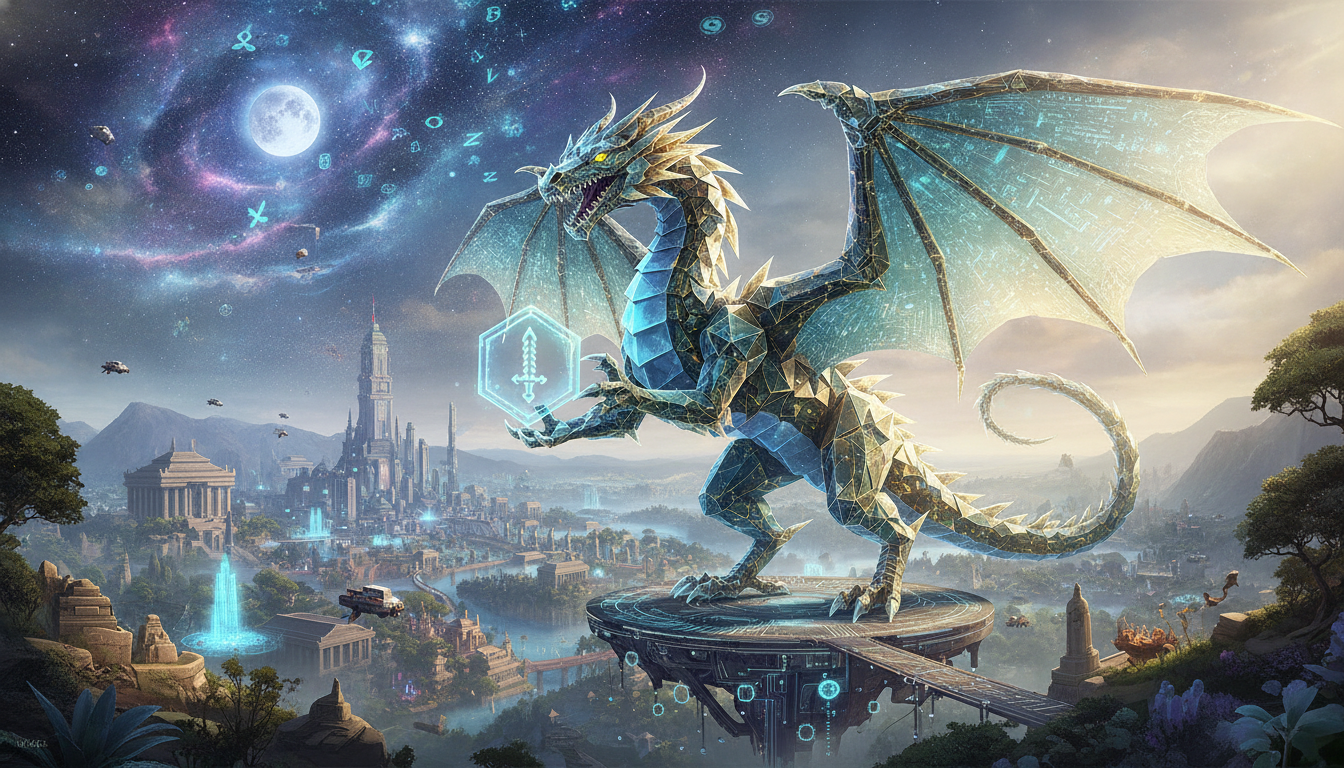
Another innovation is the rise of metaverses, expansive virtual universes where users can interact, build, and own digital real estate. Platforms like Decentraland and The Sandbox have expanded, incorporating advanced AI for more realistic interactions. By 2026, these spaces are hosting virtual concerts, art galleries, and even educational events, all powered by blockchain for secure, tamper-proof experiences.
- Smart contracts for automated rewards and fair play.
- NFTs for unique, tradable in-game assets.
- Interoperability between games, allowing assets to move across platforms.
- Decentralized finance (DeFi) integrations for in-game lending and borrowing.
- Environmental considerations, such as using energy-efficient blockchains to minimize carbon footprints.
These advancements are not only enhancing user engagement but also attracting significant investments. According to recent reports, venture capital funding for crypto gaming projects has surged by 150% in the past year, signaling strong market confidence.
The Impact on the Global Gaming Community
Crypto gaming is reshaping global communities by fostering inclusivity and economic empowerment. In regions like Southeast Asia and Africa, where traditional job opportunities are limited, players are turning to games as a source of livelihood. For example, in the Philippines, play-to-earn games have become a viable alternative to conventional employment, with some players earning upwards of $500 a month.
Moreover, blockchain's transparency is building trust among players. Gone are the days of cheated leaderboards or unfair monetization; everything is recorded on the blockchain, verifiable by anyone. This has led to a boom in user-generated content, where communities collaborate to create and govern their own game worlds through decentralized autonomous organizations (DAOs).
However, this growth isn't without challenges. Regulatory bodies worldwide are scrutinizing crypto gaming for issues like money laundering and underage gambling. In the EU, new guidelines introduced in early 2026 aim to balance innovation with consumer protection, requiring games to disclose risks associated with volatile assets.
Challenges and Solutions in the Crypto Gaming Space
Despite its potential, crypto gaming faces hurdles such as high entry barriers for newcomers, including the need for cryptocurrency wallets and understanding blockchain basics. To address this, developers are creating user-friendly interfaces and educational tools. For instance, some games now offer in-app tutorials and starter packs funded by community grants.
Scalability is another issue; popular games can overwhelm networks with transactions. Solutions like Ethereum's scaling upgrades and emerging blockchains such as Solana or Avalanche are helping, providing faster and cheaper transactions. Additionally, security remains a top priority, with advanced encryption and multi-factor authentication becoming standard to protect users from hacks.
- Overcoming volatility: Games are integrating stablecoins to stabilize in-game economies.
- Promoting sustainability: Projects are adopting proof-of-stake models to reduce energy consumption.
- Enhancing accessibility: Partnerships with traditional gaming platforms are bridging the gap for non-crypto users.
- Regulatory compliance: Developers are working with governments to establish best practices.
As the industry matures, these solutions are paving the way for broader adoption, potentially integrating crypto gaming into mainstream platforms like Steam or consoles.
The Future Outlook: What's Next for Crypto Gaming?
Looking ahead, the future of crypto gaming in 2026 and beyond is bright, with projections estimating a market value exceeding $100 billion by 2028. Emerging trends include the fusion of virtual reality (VR) and augmented reality (AR) with blockchain, creating hyper-realistic experiences where players can own and monetize virtual properties in real time.
We're also seeing cross-industry collaborations, such as fashion brands launching NFT clothing lines for avatars or musicians hosting exclusive concerts in metaverses. This convergence is not only entertaining but also educational, teaching users about financial literacy through interactive gameplay. As blockchain technology continues to evolve, crypto gaming will likely become a staple in the entertainment industry, offering endless possibilities for creativity and innovation.
Conclusion: Embracing the Blockchain Revolution in Gaming
In conclusion, crypto gaming represents a seismic shift in how we perceive and interact with digital entertainment. By leveraging blockchain's core strengths, it's creating more engaging, fair, and rewarding experiences that extend beyond mere play. As we move further into 2026, embracing this technology could unlock new avenues for personal growth, community building, and economic opportunity. Whether you're a seasoned gamer or a crypto curious newcomer, the world of crypto gaming invites you to explore, create, and thrive in virtual realms that are as limitless as your imagination.